Last updated November 25, 2026



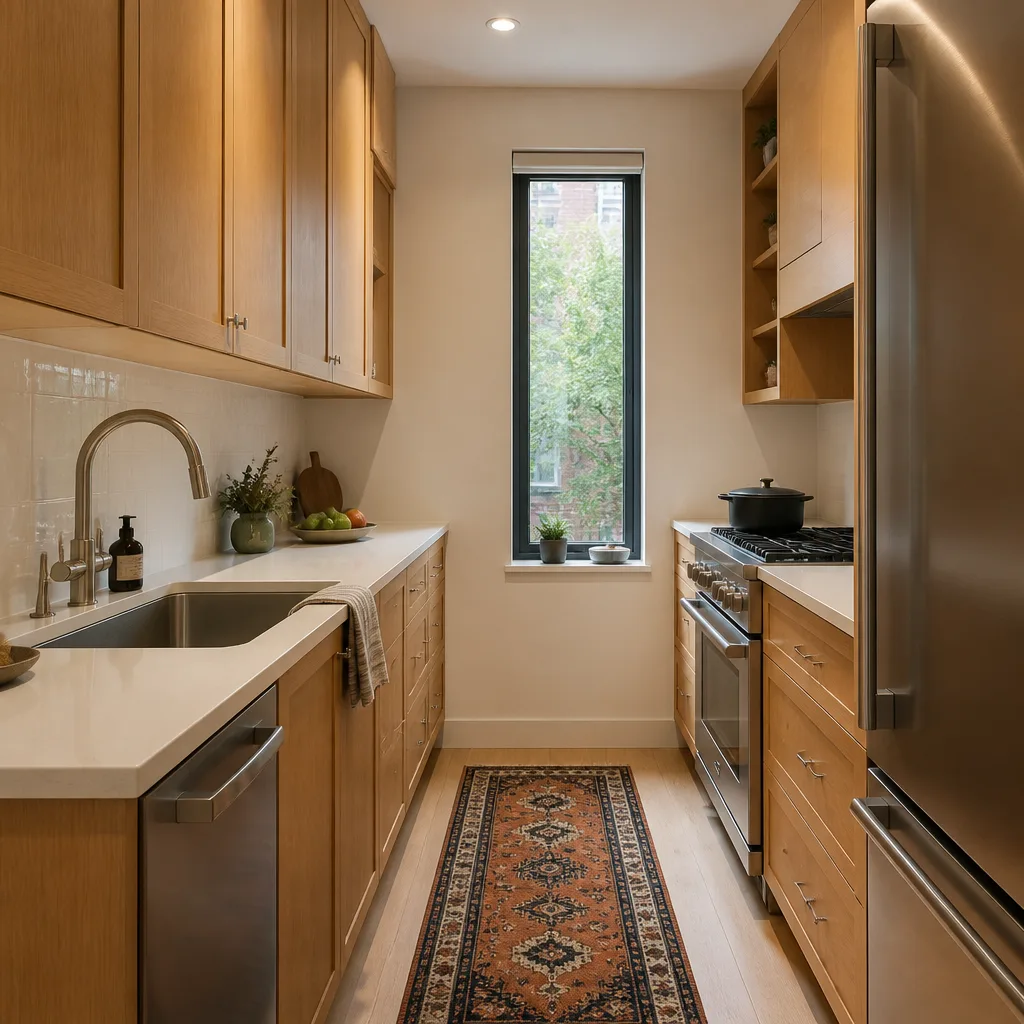
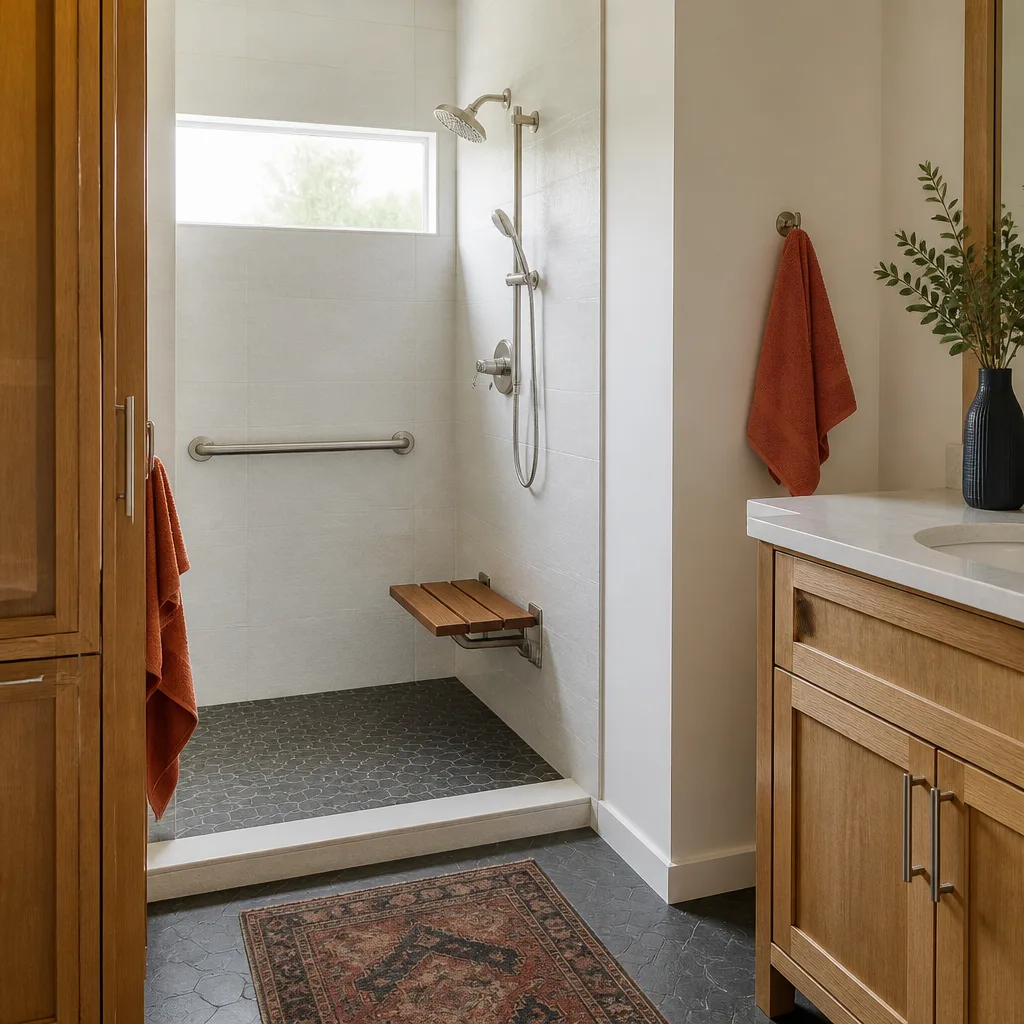
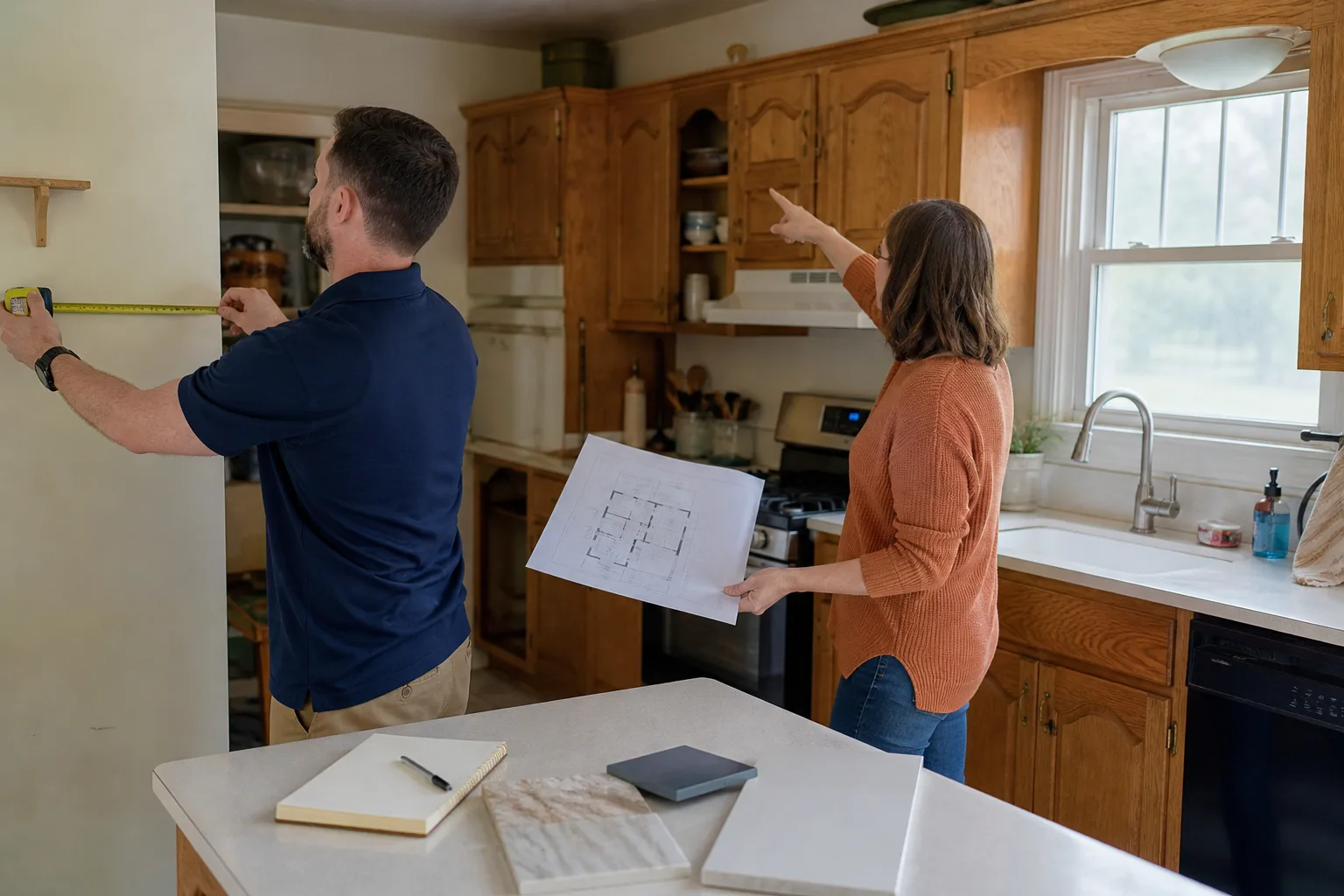
Free written scope consultation - allowances, timeline, and change-order rules on paper before a single trade is scheduled
How to Hire a Construction Contractor in Roseville: A Step-by-Step Guide
Most hiring checklists tell you to verify a license, collect three bids, and pick the middle number. In Roseville that advice can lead you straight into a problem. Builders here are pushing through one new-home subdivision after another, and that volume pulls framing crews, tile setters, and finish carpenters toward production work first. The contractor who gives you a thoughtful quote in January may be running a different crew by April, and the checklist never asks about that. What follows is how to read this market honestly: how to check a California license the right way, what bid variance actually tells you, and how to spot contract language that quietly shifts risk onto you.
Quick Answer
To hire a construction contractor in Roseville, verify the license and its classification directly on the California State License Board (CSLB) website, confirm the scope matches your project type, get written bids that itemize allowances and named materials, and sign a contract that includes a payment schedule tied to completed milestones and a conditional lien waiver clause. Plan for four to eight weeks of lead time on interior remodels in this market, and treat crew continuity as a real hiring criterion, not a detail.
Styles & brands we work with
- Kitchen remodeling
- Bathroom remodeling
- Home additions & ADU
- Roofing
- Windows & doors
- Driveway & pavers
- Fence
Table of Contents
- How do you verify a contractor’s license in Roseville?
- What do the license class letters mean for your project?
- Why can three bids in Roseville mislead you?
- General contractor or full-service remodeling partner?
- Which contract clauses should make you pause?
- How do material relationships change your options?
- What should you ask on the walkthrough?
- How long do Roseville remodels actually take?
How Do You Verify a Contractor’s License in Roseville?
You verify it on the CSLB website, not on a business card. Every licensed contractor in California has a record there showing the license status, the classification, the expiration date, and any disciplinary history. It takes about two minutes, and it’s the single most useful two minutes in the whole hiring process.
Ask for the license number, not the company name, and search it yourself. A number that doesn’t pull up a matching name, or a record marked expired or suspended, ends the conversation. California requires a licensed contractor for any project where labor and materials together exceed the threshold the state sets for unlicensed work, and interior remodels of the kind most Roseville homeowners are planning almost always clear that line. If someone tells you a handshake deal is fine because “it’s just a bathroom,” that’s the moment to walk.
Here’s the order that works:
- Request the license number in writing, before the walkthrough.
- Search it on the CSLB site and read the classification, not just the status.
- Confirm the classification covers the work you’re hiring for.
- Check the record for any disciplinary actions or complaints.
- Ask whether the person doing the estimate is the qualifier on the license.
That last point matters more than people expect. On many jobs, the person who sells the work and the person legally responsible for it are not the same individual, and the qualifier is who carries the accountability. Ask directly: who is the qualifier on this license, and will that person be involved in my job? A straight answer is a good sign. A dodge is information too.
What Do the License Class Letters Mean for Your Project?
The letter matters because it tells you what the licensee has actually been examined and approved to do. A Class B license is general building construction: it covers projects that involve more than one trade or that require structural work. A Class C license is specialty work, and the letter after the C tells you which specialty.
For interior remodels, the ones you’ll run into most:
- Class B (General Building) covers whole-project construction that involves multiple trades, which fits a kitchen remodel that moves plumbing, electrical, and finishes in one scope.
- Class C-36 (Sheet Metal) shows up in ductwork and some ventilation work.
- Class C-33 (Painting) covers interior and exterior painting on its own.
- Class C-54 (Tile) covers ceramic and mosaic tile work.
- Class C-15 (Flooring) covers floor coverings and related preparation.
A specialty license is entirely legitimate for the specialty it names. What it doesn’t do is cover the rest of the job. If a C-33 painter offers to handle your whole kitchen remodel, the tile, cabinetry, countertops, and electrical portions fall outside the license. That’s how projects end up with an unlicensed subcontractor pulled in mid-job, and the homeowner has no record of who did the work.
This is where a single-contractor model earns its keep. On our kitchen remodeling and bathroom remodeling projects, the trades are coordinated under one contract rather than strung together between separate licensees, so the accountability for tile, plumbing, and carpentry doesn’t get handed off halfway through. Whatever contractor you hire, ask which license covers which part of the scope before anything is signed.
Why Can Three Bids in Roseville Mislead You?
Three bids is a fine starting habit and a poor decision tool in this market. Bid variance in Roseville usually tells you less about who’s overcharging and more about which crews are actually available, how hungry the contractor is for the work, and how much of the scope got quietly left out of the low number.
A bid that comes in dramatically low is worth reading twice, because something got removed to get there. It might be the disposal and dumpster line. It might be the allowance for tile, set so low it can’t buy what you’d pictured. It might be the electrical rough-in, listed as “by others.” A high bid might reflect a genuinely premium crew, or a contractor who doesn’t want the job but will take it if you pay enough to make it worthwhile. Both are useful information if you read them correctly.
What to compare instead of the bottom line:
- The line items present in each bid. Missing scope, not price, is usually the real difference.
- The allowance figures for tile, cabinetry, countertops, and fixtures. Low allowances are the most common way a cheap bid becomes an expensive project.
- The named crew or subcontractors, and whether the contractor’s own people will be doing the work.
- The stated start window and duration, with dates in writing.
- What the contractor says about their current workload. Ask how many active jobs they’re running and where yours fits.
A contractor with a full book and a straight answer about scheduling is often the better hire than one who can start tomorrow. Capacity is the constraint in a market with this much new construction running at once, and a company that won’t be honest about its load is likely to be honest about nothing else. When you see wide variance across three bids, treat it as a prompt to ask more questions, not a reason to pick the middle number.
General Contractor or Full-Service Remodeling Partner?
A general contractor manages trades. A full-service remodeling partner performs the trades. The difference sounds small and it changes how much you pay for coordination, and who you call when something’s wrong.
With a general contractor running a project, you get a manager who schedules the plumber, the electrician, the tile setter, and the painter, each of them separate companies with their own schedules and their own invoice. That model works well on additions and structural projects where the trades are genuinely distinct. On a kitchen or bathroom, it often means a stream of subcontractors, gaps in the calendar when one trade is late, and a blame chain when a finish doesn’t line up. The GC’s markup covers that coordination, which is real work, but you’re also paying for a handoff problem the homeowner gets to absorb.
A full-service partner does the trades under one contract. home remodeling under one scope means the demo, the rough-in, the cabinetry, the tile, and the final coat of paint all sit inside the same agreement with the same people on the hook. That structure is what we build our work around, from cabinet installation to Schluter-based tile waterproofing, and it’s the reason we can talk about the details of a shower pan without calling someone else in. It’s also why we can compare brands for you rather than defend the one line we’re locked into.
Which model saves money depends on the job. A pure painting or flooring refresh, covered under Roseville Remodeling Pros, is a single-trade scope and a single-trade contract. A full kitchen or bathroom remodel carries enough trades that coordination gaps cost more than the markup you’d save. Match the model to the scope, and don’t let a contractor talk you into the wrong one for their convenience.
Which Contract Clauses Should Make You Pause?
Read the contract before you sign it, out loud if that’s what it takes. The language that costs homeowners most isn’t in the big print. It’s in the allowance figures, the material restriction clause, and the missing page about liens.
Here’s what to look for:
- Vague allowances. “Allowance for tile: $X” with no spec attached means the number is a placeholder. Ask for the brand, the size, and the line, so you know whether the allowance buys what you actually want or triggers a change order the day the material is ordered.
- Single-supplier restrictions. Some contracts specify that materials come from one supplier’s catalog, which limits your choices and hides the cost comparison. A contractor with access to a broad brand portfolio can solve a spec problem by switching products; one locked to a single supplier solves it by upselling you out of the problem.
- No lien waiver language. This is the big one. In California, contractors and suppliers who aren’t paid can file a mechanic’s lien against your property. A contract should include conditional lien releases tied to each payment, so your money clears the lien exposure as you go.
- Payment schedules with heavy front-loading. A large deposit before any work starts is common in some trades, but the more the schedule leans forward, the more risk lands on you. Progress payments tied to completed milestones are safer.
- Missing change-order procedure. Every contract needs a written process for scope changes, with a signed approval and a price before the work happens. Without it, changes get discussed verbally and billed at the end.
- No written start date or duration. “Starting soon” is not a schedule. Get dates in writing, and get the change-order process in writing too.
The allowance and lien clauses are the two that cost the most money, and they’re the two least likely to be explained at signing. Ask about both directly and watch how the answer feels.
How Do Material Relationships Change Your Options?
A contractor’s material relationships decide how your project gets solved when something doesn’t fit, isn’t available, or costs more than the allowance. A contractor with broad brand access re-specs. A contractor locked into one catalog upcharges.
The difference shows up in specifics. On cabinetry, we work with KraftMaid and Wellborn, which spans semi-custom and full-custom lines, so a homeowner can choose a semi-custom run for the perimeter and a full-custom piece for an island without switching contractors halfway through. On countertops we can compare Cambria, Silestone, and Caesarstone side by side, which matters because those three engineered quartz lines differ in edge profiles, slab sizes, and how they read in a Roseville kitchen with a lot of afternoon light. On fixtures, the range from Kohler and Moen to Grohe, Toto, Delta, and American Standard means a budget-conscious hall bath and a primary bath with a premium shower system can live in the same project without one of them being talked up beyond its needs.
That range isn’t decoration. It’s how you avoid the two failure modes: paying luxury prices for a room that didn’t need them, or accepting a spec you didn’t want because it was the only option available. A contractor who can name the difference between two brands of quartz, or explain why a Schluter transition detail matters at a floor change, is a contractor who has installed the products rather than just sold them. Ask any bidder to compare two brands within the same category and watch what happens. The one who can answer without a pause is the one whose material relationships are real.
What Should You Ask on the Walkthrough?
The walkthrough is where you learn more than the bid does. A handful of questions separate the contractors who’ve done this work repeatedly from the ones who are figuring it out on your project.
- Who is the qualifier on this license, and will they be on my job?
- Which parts of this scope are done by your own people, and which are subcontracted?
- What’s the allowance for tile, cabinetry, countertops, and fixtures, and what brand and line does it buy?
- How many jobs are you running right now, and where does mine land in the schedule?
- What’s the change-order process, and does it require my written approval before work happens?
- How do you handle the final walkthrough and the punch list?
Listen for specifics. A contractor who talks in brand names, says plainly which products they’d recommend for your room and why, and can explain a waterproofing detail at the shower or a transition at the floor change has the craft knowledge you’re hiring for. A contractor who answers in generalities, or who can’t tell you what a given allowance will actually purchase, hasn’t done the pre-work. The questions are also a test of honesty: the answer “I don’t know yet, I’ll find out and confirm in writing” is a better sign than a confident answer that turns out to be invented.
How Long Do Roseville Remodels Actually Take?
Plan for it in stages, because the calendar in this market is set by trade capacity, not by the contractor’s enthusiasm. A bathroom remodel typically runs four to eight weeks once it starts. A kitchen often runs six to twelve weeks, depending on cabinetry lead times and whether the rough-in changes. A multi-room refresh with flooring and paint runs shorter, but flooring and paint still need to be sequenced around the trades in front of them.
The bigger variable is the wait before the start. Roseville’s new-home construction pulls the same skilled trades that interior remodels need, which means a cabinet installer or a tile setter may be booked out weeks longer than they were a year ago. A contractor who quotes a two-week lead time on a full kitchen in this market is either very lucky in their crew relationships or being optimistic on your behalf. Ask for the start date in writing, and ask what happens if it slips. A realistic schedule that holds is worth more than an optimistic one that doesn’t.
The weather cooperates more than in most places. Roseville’s mild winters mean exterior painting and flooring installs aren’t usually pushed around by weather the way they would be in colder climates, so the schedule pressure comes from crews, not from seasons. Know that when you’re comparing bids: a job that’s priced attractively but can’t start for months is a different value than one scheduled to begin in the window you need.
Common Mistakes to Avoid
- Treating a license number as the whole check. A valid license with the wrong classification for your project type still leaves the structural and multi-trade work uncovered. Read the class letter, not just the status line.
- Picking the middle bid by reflex. In this market, wide variance usually signals different crew availability and different scope, not the same job at three prices. Compare line items before you compare totals.
- Accepting an allowance without a spec. An allowance number without a brand and line attached is a placeholder, and the change order it triggers is the real price. Get the spec in writing before you sign.
- Skipping the lien waiver question. Contracts without conditional lien releases leave you exposed to a mechanic’s lien even after you’ve paid. Ask for the clause.
- Hiring a single-supplier contractor for a branded-material project. If you already know you want a specific quartz or a specific fixture line, ask how the contractor will source it. A locked catalog turns your project into their problem, and their price.
- Not asking about current workload. A contractor with a full book who’s honest about it is safer than one who can start tomorrow. Capacity is the real constraint in Roseville right now.
- Signing without a written change-order process. Verbal scope changes are how a project grows in price without anyone agreeing to it. Get the procedure in writing.
See the difference
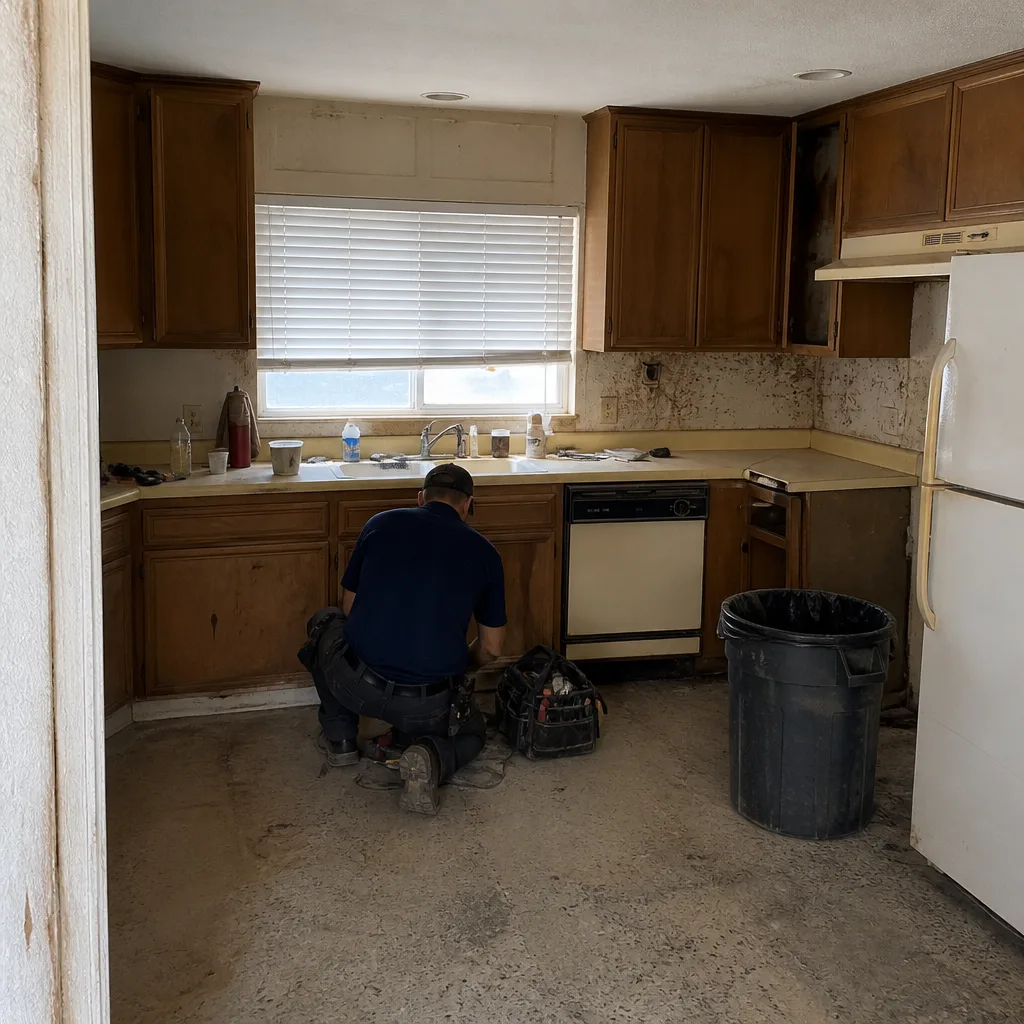 Before
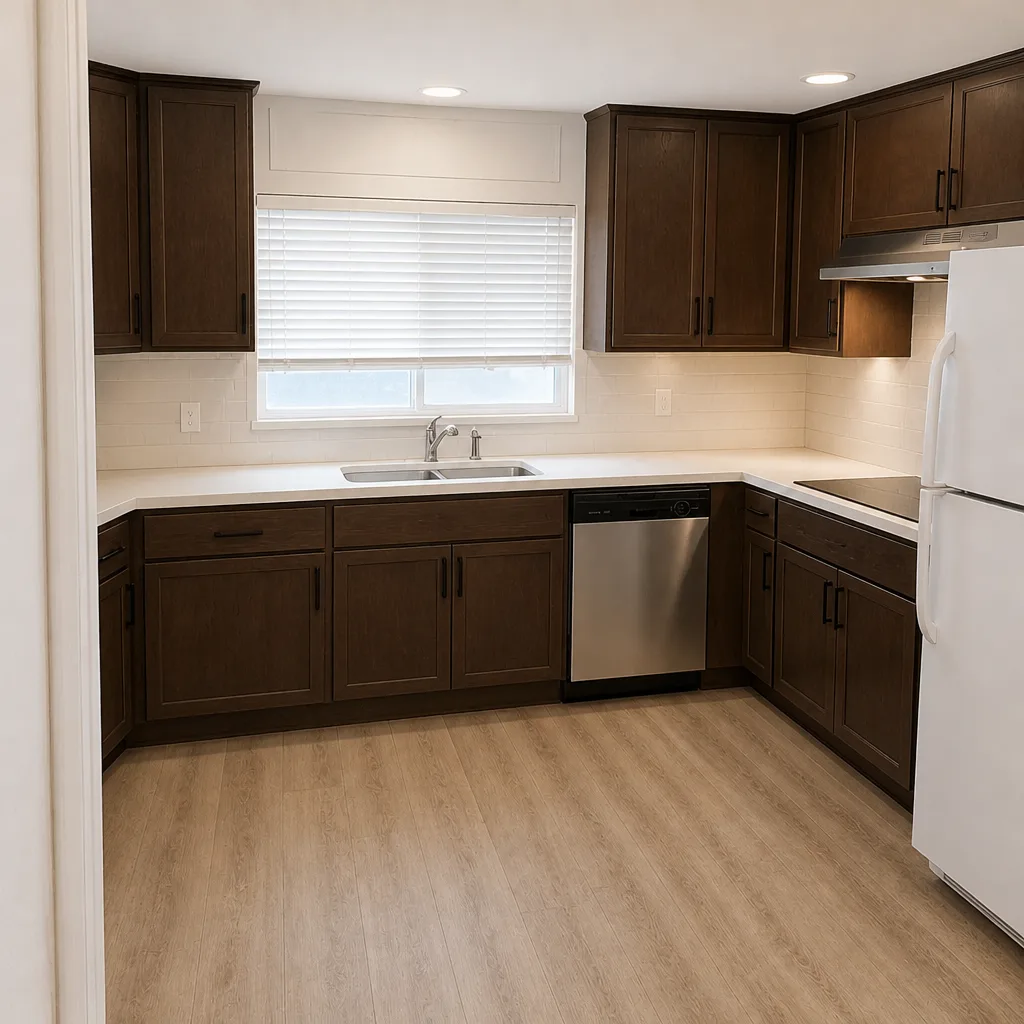 After
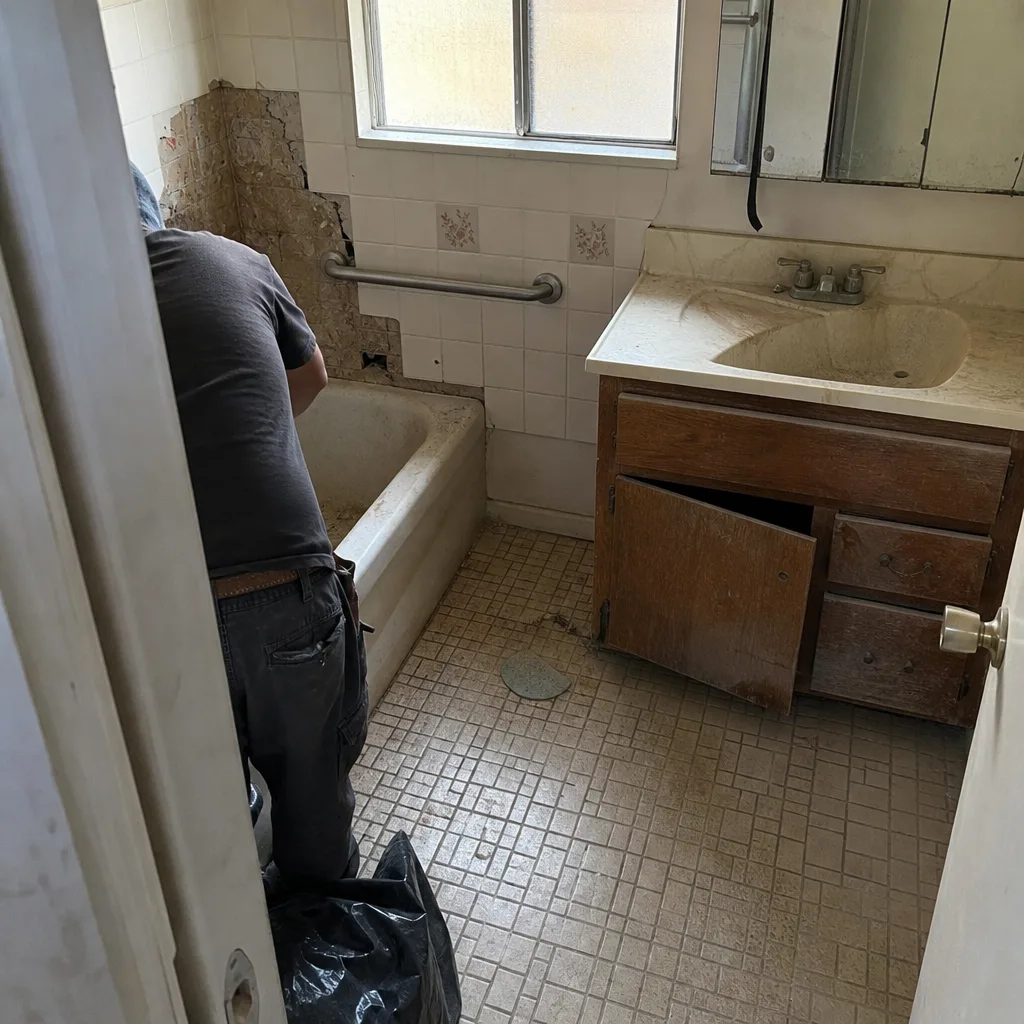 Before
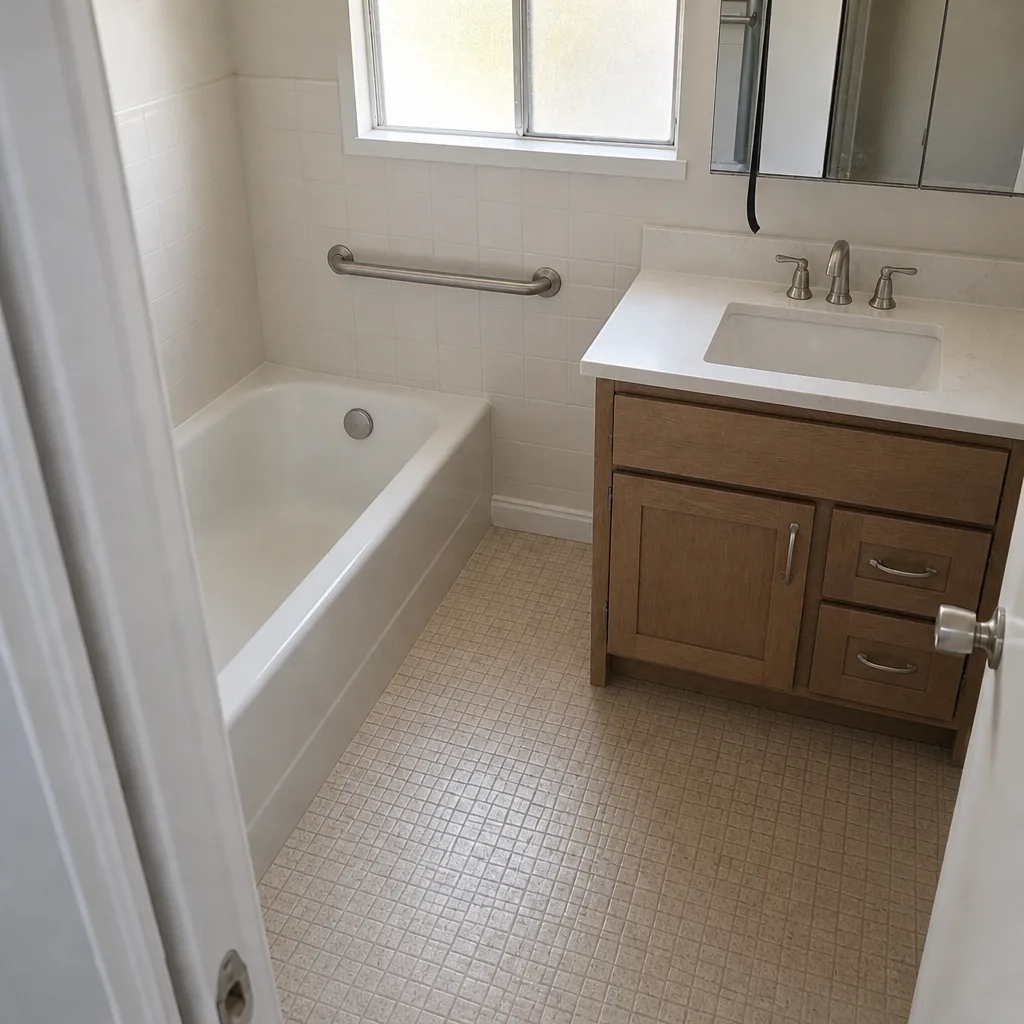 After
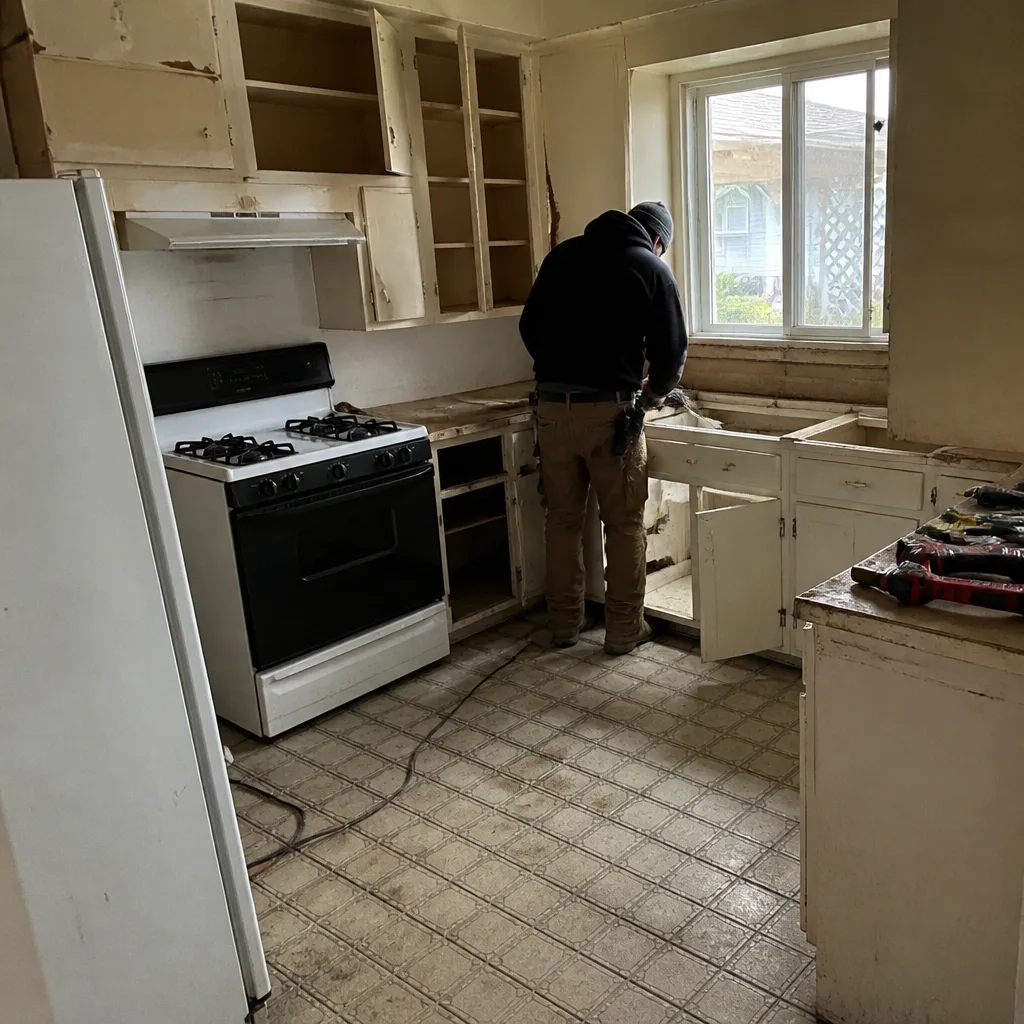 Before
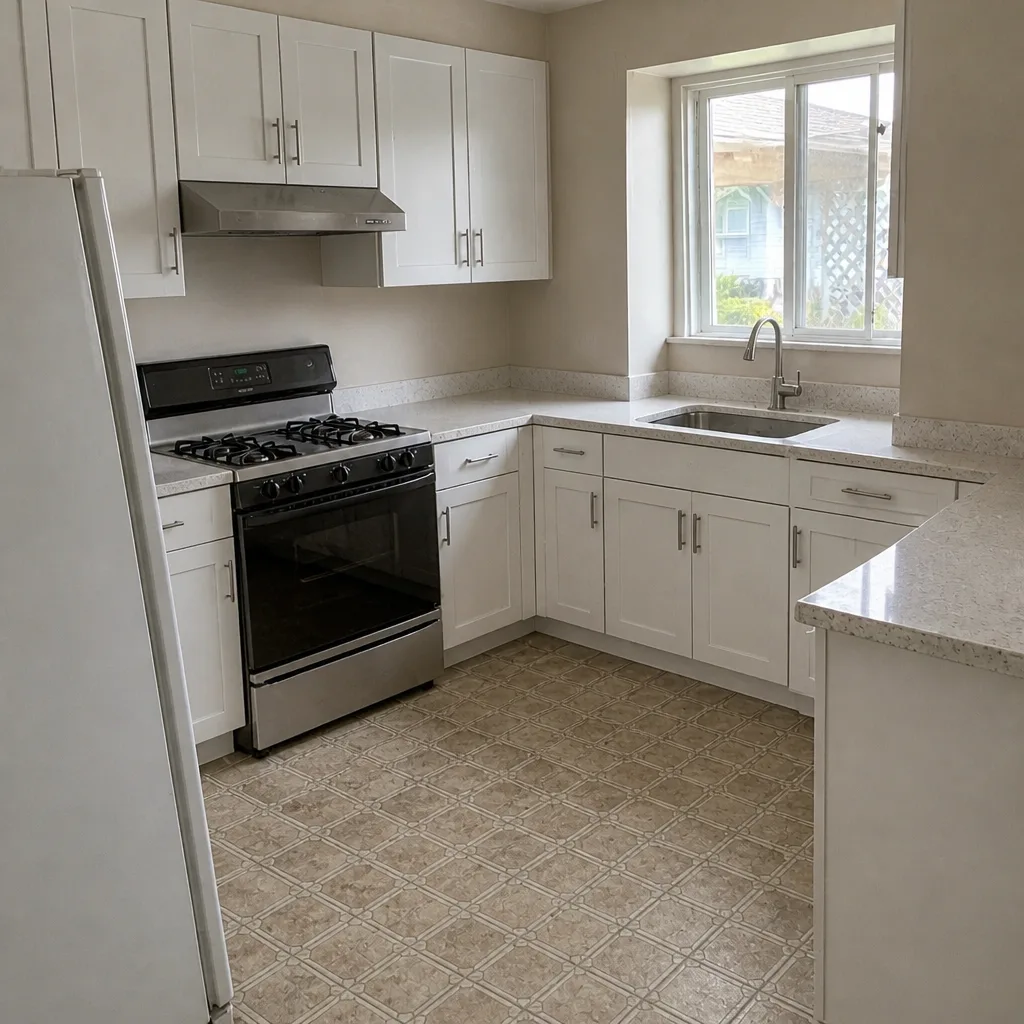 After
When to Call a Professional
Some of this work you can do yourself, and some you shouldn’t touch. Painting a single room, hanging a pre-fab vanity, and replacing a standard faucet are reasonable homeowner projects. Moving a drain line, relocating a gas range connection, and installing a shower pan with a proper waterproofing system are not. Those jobs carry real water damage and injury risk, and a failed shower pan in a Roseville bathroom typically doesn’t show itself until the subfloor behind it is gone.
Call a professional when the scope involves plumbing or electrical changes, structural alterations, tile waterproofing, or anything with a permit requirement. In most California cities, kitchen and bathroom remodels that move plumbing or electrical require permits, so confirm with the city building department before you start. A contractor who pulls the permits and passes inspections protects the value of the work when you sell, and that’s a documentation trail you don’t want to skip.
Roseville Remodeling Pros offers free estimates in Roseville. Our technicians have up to 13 years of experience, and we connect homeowners with independent local professionals who are licensed and insured as the state requires. Call (279) 529-0232 to schedule yours.
Frequently Asked Questions

Most homeowners should expect a broad range depending on whether the layout moves, which is why the written estimate matters more than any published number. A cosmetic refresh with new counters and paint lands at the low end, while a full gut with new cabinetry, appliances, and moved plumbing runs considerably higher. Call (279) 529-0232 for an exact quote, estimates are free.
Usually yes, if the work touches plumbing, electrical, or structural elements. In most California cities, a bathroom remodel that relocates fixtures or adds circuits requires a permit, and inspections follow the rough-in stages. Confirm the specifics with the city building department, and expect your contractor to handle the application. Call (279) 529-0232 with questions about your scope.
Search the license number on the CSLB website and read the classification, status, and disciplinary history. Don’t rely on the number printed on a card or an estimate; search the number itself and confirm the name and class match the work you’re hiring for. Call (279) 529-0232 if you want a sense of what a clean record looks like.
It shouldn’t if the scope is fixed and the contract names the allowance specs. Price changes come from two places: scope the contract didn’t include, and allowances set too low to buy what you want. A written contract with specific materials and a signed change-order process keeps the price where it started. Call (279) 529-0232 for an exact quote, estimates are free.
We’re closed Saturday. We’re open Sunday through Friday, 7am to 7pm, and that’s the window for scheduling estimates and walkthroughs. Call (279) 529-0232 to book a time.
Yes, when the contractor does the trades under one contract rather than subcontracting each one out. That’s the model we work in: home remodeling, kitchen remodeling, bathroom remodeling, flooring installation, and interior and exterior painting all under one agreement. It removes the coordination gaps between trades. Call (279) 529-0232 to talk through your scope.
The Bottom Line
Hiring a contractor in Roseville comes down to three things: verify the license and read the class letter, read the contract for allowance and lien language before you sign it, and ask hard questions about crew capacity and material relationships. The three-bid rule is a habit, not a decision tool; wide variance usually means different scope and different availability, not a cheaper job. A contractor with broad brand access, trades done in-house, and an honest answer about their calendar is the one who will still be there when the punch list needs finishing. Roseville Remodeling Pros offers free estimates across the area. Call (279) 529-0232. We answer 24/7. Fast dispatch from 7am to 7pm, Sunday through Friday.
Written by the team at Roseville Remodeling Pros.