Last updated November 25, 2026





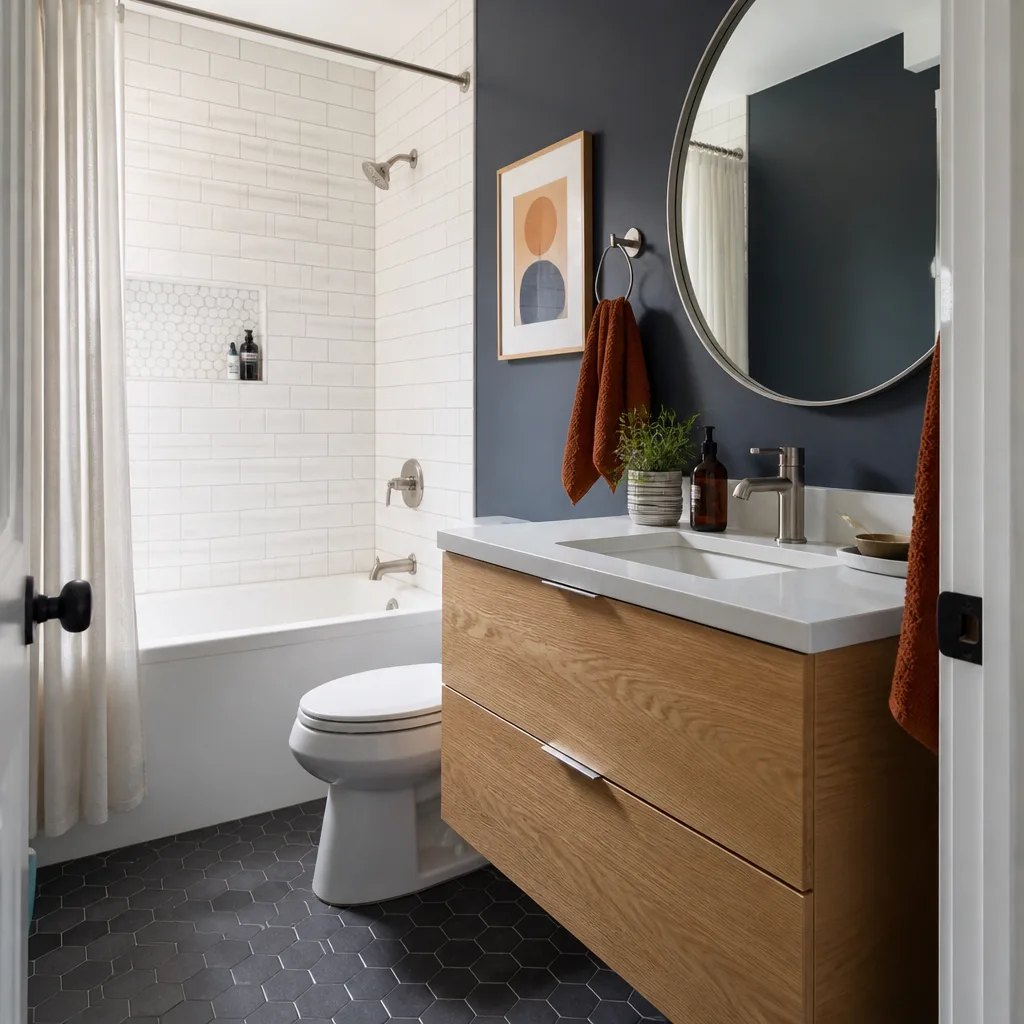
Free written scope consultation - allowances, timeline, and change-order rules on paper before a single trade is scheduled
DIY vs Professional Construction: The Roseville Homeowner’s Decision Guide
Most Roseville homeowners compare DIY and professional remodeling on cost alone, and that’s where the reasoning breaks down. In California, you can legally pull a permit and remodel your own residence without holding a contractor’s license. That exemption is real. But it carries strings that don’t show up on a spreadsheet: permit records, inspection gaps, and material warranty language that can quietly disqualify itself the moment a licensed installer isn’t documented. Buyers in Placer County are increasingly running their own pre-offer inspections and reading permit history before they write an offer. This guide walks you through the real risk layers behind the DIY vs professional construction decision in Roseville, task by task, so you can make the call with the specifics that actually matter.
Quick Answer
For most Roseville homeowners, the right answer isn’t all-DIY or all-professional. It’s a task-by-task split: cosmetic work like paint and basic trim can be a legitimate DIY project, while anything involving permits, cabinetry installation, countertop fabrication, tile waterproofing, or fixture changes behind the wall should go to a licensed professional. The deciding factors aren’t skill alone; they’re permit legality, warranty documentation, resale disclosure obligations, and what it costs to undo a mistake in the local trade labor market.
Styles & brands we work with
- Kitchen remodeling
- Bathroom remodeling
- Home additions & ADU
- Roofing
- Windows & doors
- Driveway & pavers
- Fence
Table of Contents
- The California Homeowner-Builder Exemption: What It Actually Allows
- A Task-by-Task Framework for Roseville DIY Viability
- Permits and Inspections: Why the Paper Trail Matters in Roseville
- How DIY Installation Voids Material Warranties
- The Real Cost of DIY Mistakes in Roseville’s Trade Market
- The Hybrid Model: Where DIY Labor and Professional Work Coexist
- Resale Value and the Inspection-Savvy Roseville Buyer
- How to Choose a Roseville Remodeling Contractor
The California Homeowner-Builder Exemption: What It Actually Allows
California gives homeowners a specific exemption from contractor licensing for work on their own primary residence. That’s true. What it doesn’t give them is a free pass through the permit system, the inspection system, or the disclosure obligations that follow the house when it’s sold.
Here’s how the exemption actually works in practical terms for a Roseville homeowner:
- You can perform the work yourself on a home you own and occupy, without holding a state contractor license.
- You still need permits for structural, electrical, plumbing, and mechanical work. The exemption removes the licensing requirement, not the code requirement.
- You cannot legally act as the contractor for someone else’s property, including a rental you own but don’t live in, without a license.
- You cannot sell the improved property shortly after without triggering additional disclosure and documentation steps, particularly for structural or major systems work.
- You cannot use the exemption to “self-perform” while hiring unlicensed helpers in a way that exposes you to employment and liability questions.
In our experience, the misread here is common: homeowners assume the licensing exemption means the whole job is outside the formal system. It isn’t. The City of Roseville still processes the permit, a city inspector still walks the work, and the permit record follows the address. That record is what a buyer’s agent pulls up when they’re reviewing a listing in neighborhoods like Blue Oaks or Fiddyment Farm. An unpermitted bump-out or a moved electrical panel without a permit can become a negotiation issue years after the work was done.
The exemption is a real right. It’s just narrower than most people assume. If you’re weighing home remodeling against a piecemeal DIY approach, understanding what stays inside the permit system matters more than the licensing question.
A Task-by-Task Framework for Roseville DIY Viability
Not every task in a remodel carries the same risk. Some have a genuinely high success rate for a careful homeowner. Others look simple and cost far more when they go wrong. Here’s our honest breakdown.
Tasks where DIY is reasonable
- Interior painting. Prep, tape, and paint. Straightforward, low consequence, reversible. The main risk is uneven finishes on textured walls.
- Cosmetic trim and baseboards on existing walls, without moving electrical.
- Replacing a faucet or a toilet. Swapping a fixture at an existing location is manageable. Moving a supply line is not.
- Demo work on non-structural surfaces like old tile or cabinet boxes, once the utilities are safely disconnected by a professional.
- Basic shelving and hardware installation with proper anchors into studs.
Tasks where DIY risk outweighs the apparent simplicity
- Tile shower installation. Waterproofing failure is invisible until it isn’t. Schluter-system detailing around a shower pan or niche requires an understanding of substrate prep, membrane laps, and transition profiles that generic YouTube tutorials gloss over.
- Countertop fabrication and install. Engineered quartz needs precise templating, scribing to wobbly walls, and specific adhesive systems. A mismeasured slab is a dead loss.
- Cabinet installation. Level, plumb, and square installation is the difference between a lifetime of annoying cabinet doors and a genuinely good kitchen. It also voids the manufacturer’s warranty the moment it isn’t installed to spec.
- Electrical. Anything beyond a like-for-like fixture swap. Panels, new circuits, and outlet relocation are dangerous and require a licensed electrician in most Roseville jurisdictions.
- Plumbing rough-in and relocation. The fixture count on a permit and the drain slope under a slab aren’t places to learn on the job.
- Structural changes. Every wall removal needs to know whether it’s load-bearing. Guessing isn’t an option.
The pattern is clear: the tasks that look easy on a video often have the highest hidden cost. The tasks that look intimidating (painting a whole house) are often the safest to try. When our team walks a client through the kitchen remodeling decision, this framework is usually the first conversation we have.
Permits and Inspections: Why the Paper Trail Matters in Roseville
Roseville has a functioning permit process for residential work, and it’s not optional for anything structural, electrical, plumbing, or mechanical. Whether you’re the homeowner-builder or hiring a licensed professional, the paper trail is the same: permit application, plan review, inspection phases, and final sign-off.
Why the paper trail matters more than most people realize:
- Every future buyer’s agent sees permit history. In established Roseville neighborhoods, permit records are pulled up hundreds of times a year during pre-offer diligence.
- Unpermitted work can surface during a buyer’s inspection. A good home inspector will flag a moved wall or a new subpanel that has no matching record. That becomes a credit ask or falls out of escrow.
- Insurance can deny a claim where the loss traces to work that wasn’t permitted or inspected.
- Some lenders require that permitted additions and structural changes be documented before they fund a loan.
- Disclosure obligations attach to known unpermitted work when the house is sold.
The practical rule for Roseville: if a task would require a permit for a licensed contractor, it requires a permit for you too. That doesn’t mean every project needs one. Swapping a vanity top or repainting a bedroom doesn’t. Moving a sink, replacing a panel, or removing a wall does.
Same-day answer on the permit question
If you’re unsure whether a specific task needs a Roseville permit, the fastest path is a call to the city’s building department with the address and a plain description of the work. Don’t rely on the contractor’s or a friend’s memory. The permit counter will tell you in two minutes whether a permit is required and what plan review it needs.
How DIY Installation Voids Material Warranties
This is the part of the DIY decision most homeowners don’t see until something fails. Material warranties from major brands are conditional. Specifically, they require installation by a professional to specification, and many require documentation of that installation.
The categories where this bites hardest:
Cabinetry
KraftMaid and Wellborn both publish installation requirements in their warranty documentation. Those requirements exist for a reason: a cabinet that wasn’t installed level, plumb, and properly shimmed to the wall will eventually twist, bind at the doors, and stress the box to the point of failure. The warranty covers manufacturing defects, not premature wear caused by an out-of-plumb install. When a homeowner-spec’d cabinet order is delivered and self-installed, the warranty operates on the assumption that installation was done correctly. It’s a defensible position until the day a door hinge pulls loose because the cabinet box was never level.
Countertops
Cambria, Silestone, and Caesarstone engineered quartz is not the same product as laminate. It requires a professional fabrication and installation process, including templating, load-bearing substrate, and specific adhesive systems. Installation by a non-qualified party is one of the most common reasons a quartz warranty claim gets declined. The slab itself is warrantied against manufacturing defects, not against a poor seam or a crack caused by a flexed substrate.
Tile and flooring
Schluter-Systems warranties are tied to correct installation of their waterproofing and transition profiles. If a shower fails and the failure traces to a Schluter membrane installed with the wrong thin-set or the wrong lap direction, the warranty won’t cover the tear-out. This is where the installer’s familiarity with the system matters, and it’s a detail generic installers routinely skip because it adds time on the front end.
Fixtures
Kohler, Moen, Grohe, Toto, Delta, and American Standard fixture warranties typically require installation to the manufacturer’s specifications, which often means installation by a licensed plumbing professional. A failed valve or a leaking supply line under a Toto toilet that was self-installed at the wrong torque isn’t a warranty claim. It’s a homeowner expense.
In practical terms, this changes the DIY calculus for materials above a certain price point. Saving a few hundred dollars in labor on a do-it-yourself cabinet install risks voiding a warranty on cabinetry that costs thousands.
The Real Cost of DIY Mistakes in Roseville’s Trade Market
Every DIY mistake has to be undone before the correct work can begin, and undoing structural or waterproofed work costs more than installing it correctly the first time. On a Roseville job site, that means tear-out labor, disposal, re-materials, and often re-permitting.
What a redo typically involves, by trade:
- Tile shower waterproofing failure: full tear-out of the tile, removal of the failed substrate, mold remediation if the failure has been active for months, and a complete re-install. The cost is essentially the project price plus the tear-out, and the tear-out is where the labor cost hurts.
- Improperly installed cabinets: removal, repair of the wall behind, repair or replacement of damaged cabinetry, re-install. Cabinetry that’s been installed and removed isn’t resalable in most cases.
- Countertop mismeasurement or cracking: total slab replacement. There’s no “fixing” a cracked piece of engineered quartz.
- Electrical work that fails inspection: a licensed electrician walking back through every junction, correcting each defect, and re-scheduling the inspection.
- Plumbing leaks under a slab or in a wall: opening the wall or floor, correcting the install, patching, and finishing.
In any of these cases the homeowner pays twice: once for the materials and labor on the failed attempt, and again for the correct work. The lesson most of our clients reach is that the redo cost is dramatically higher than the original labor cost would have been. This is why bathroom remodeling is one of the categories where homeowners decide to start with a professional rather than a solo attempt.
The Hybrid Model: Where DIY Labor and Professional Work Coexist
The all-or-nothing framing is what most homeowners start with, but the hybrid model is where the smart money goes. There are specific project phases where your own labor genuinely pays off without voiding warranties or violating code.
Where a hybrid model works well:
- Demo before the professional install. Once utilities are disconnected and the professional has scoped the tear-out, a homeowner can demo drywall, old cabinets, and floor coverings. Save on that labor and start clean.
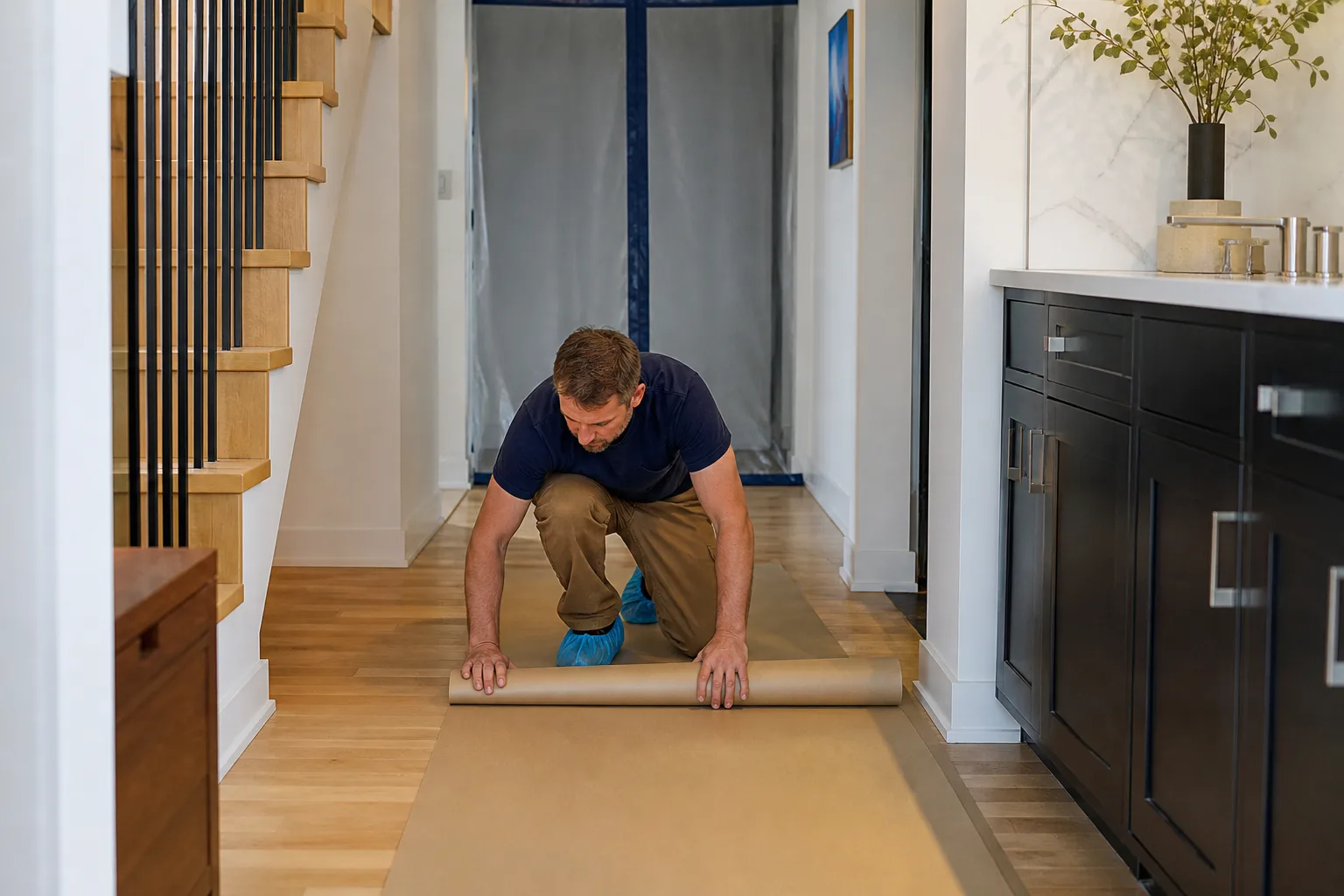
- Site prep and protection. Moving furniture, protecting floors, taping off rooms, and prepping for a paint crew.
- Final paint after the tile and cabinets are in. Painting is the safest DIY task in a remodel because the consequences are limited. Many homeowners paint while the professional is wrapping up other trades.
- Material selection. A real DIY win: choose your own materials. We work with 50+ nationally recognized brands across cabinetry, countertops, plumbing, flooring, and building products. Comparing Cambria quartz against Silestone or Caesarstone is a decision the homeowner should own, not one a single-supplier contractor should steer.
- Post-install cleanup and staging. Once the work is signed off and inspected, the homeowner can take over for the lived-in phase.
Where the hybrid model fails: any work behind the wall, any work that requires a permit inspection, any work tied to a material warranty, and any work whose failure would be invisible for a year. In those categories, the “save a few hours of labor” trade is simply bad math.
We tell clients the same thing every time: split the project at the trades, not inside them. Let a contractor handle everything that touches the envelope, the electrical system, the plumbing system, the cabinetry, the countertops, and the tile. You handle what’s reversible and cosmetic. It’s the single cleanest line you can draw.
Resale Value and the Inspection-Savvy Roseville Buyer
Roseville buyers know how to read a house. Between the online permit portals, the home inspector’s report, and the pre-offer diligence that’s become standard in the Placer County market, unpermitted work and visible DIY is no longer a small detail. It’s a negotiating item.
The specific ways resale value is hit:
- Permit history gaps cause buyers to ask for credits or walk. Agents compare the work they see against the permit record, and the mismatch costs real money.
- Visible DIY workmanship becomes a signal that other hidden work might be DIY too. Buyers discount accordingly.
- Warranty documentation gaps mean the buyer inherits an un-warrantied kitchen or bathroom. That’s a lower offer, not a neutral one.
- Inspection findings on plumbing, electrical, or structural trigger credit requests during the inspection period.
The counterpoint isn’t “hire a professional contractor and everything gets better.” The counterpoint is “documented, licensed, inspected work is worth more at resale than the same work done off the record.” That’s a real, measurable difference in the Roseville market, and it’s the reason working with a properly licensed contractor tends to hold value at sale.
When we handle a full-interior project from demo to final coat, the homeowner ends up with permit records, material warranty documentation, and a clean inspection history that all point the right way when the house goes back on the market years later. That’s worth more than the small labor savings from a weekend of DIY.
How to Choose a Roseville Remodeling Contractor
If the risk analysis pushes you toward hiring, the next decision is which contractor. Roseville has plenty to choose from, and the difference between a good and a mediocre one shows up in the details that are hard to spot before the work begins.
What to look for:
- State licensing and insurance. The local pro is licensed and insured as California requires. Ask for both; a real one will have them ready.
- Material brand access. A contractor who can discuss why you’d choose Toto over American Standard, or Cambria over Caesarstone, has the product knowledge to actually advise. A contractor who stocks one brand and steers you to it is an order-taker.
- Installation craft signals. Schluter-system proficiency on tile and flooring is one of the cleanest signals that the installer knows what waterproofing actually requires.
- Single-accountability scope. Kitchen, bathroom, flooring, and painting managed under one contract removes coordination gaps between trades. Ask how many subcontractors will touch the project and who owns the schedule.
- Written line-item estimates. Fixed pricing with no change orders is the goal. The written estimate is what sets the final price, and a serious contractor will put it in writing before a single tool comes out of the truck.
- Permits pulled by the contractor. If the contractor handles permits and inspects, that’s the paper trail that protects you at resale.
Our technicians have up to 13 years of experience, and we work through the same checklist with every Roseville homeowner we sit down with. You can see the full picture at Roseville Remodeling Pros and ask us to compare any two brands on our list before you commit.
Common Mistakes to Avoid
- Assuming the licensing exemption means no permits. California’s homeowner-builder exemption removes the licensing requirement, not the permit requirement. Roseville permit history follows the property and shows up at sale.
- Self-installing cabinetry to save on labor. KraftMaid and Wellborn both require installation to specification for their warranties to apply. A few hundred dollars of saved installer labor is not a fair trade against a warranty on thousands of dollars of cabinetry.
- Tiling a shower without proper waterproofing. This is the single most common DIY failure we’re asked to correct. The Schluter system is specific, and generic installers skip the details that keep a shower dry for a decade.
- Moving plumbing or electrical without a professional. These are the two categories with the highest real risk to safety and to the inspection record. They’re rarely worth the savings.
- Buying a countertop slab without templating. Engineered quartz from Cambria, Silestone, or Caesarstone is templated to the room. Buying a slab to a rough dimension and installing yourself is one of the costliest mistakes we see.
- Doing a “same-day” flip of an old bathroom before selling. Buyers in Roseville pull permit records and know when a bathroom was redone without permits. The discount at sale is usually larger than the cost of doing it correctly.
- Hiring on price alone. The cheapest bid is usually the cheapest because something is being left out: permitting, scheduling, disposal, inspection. The written line-item estimate is the tool that catches the gaps.
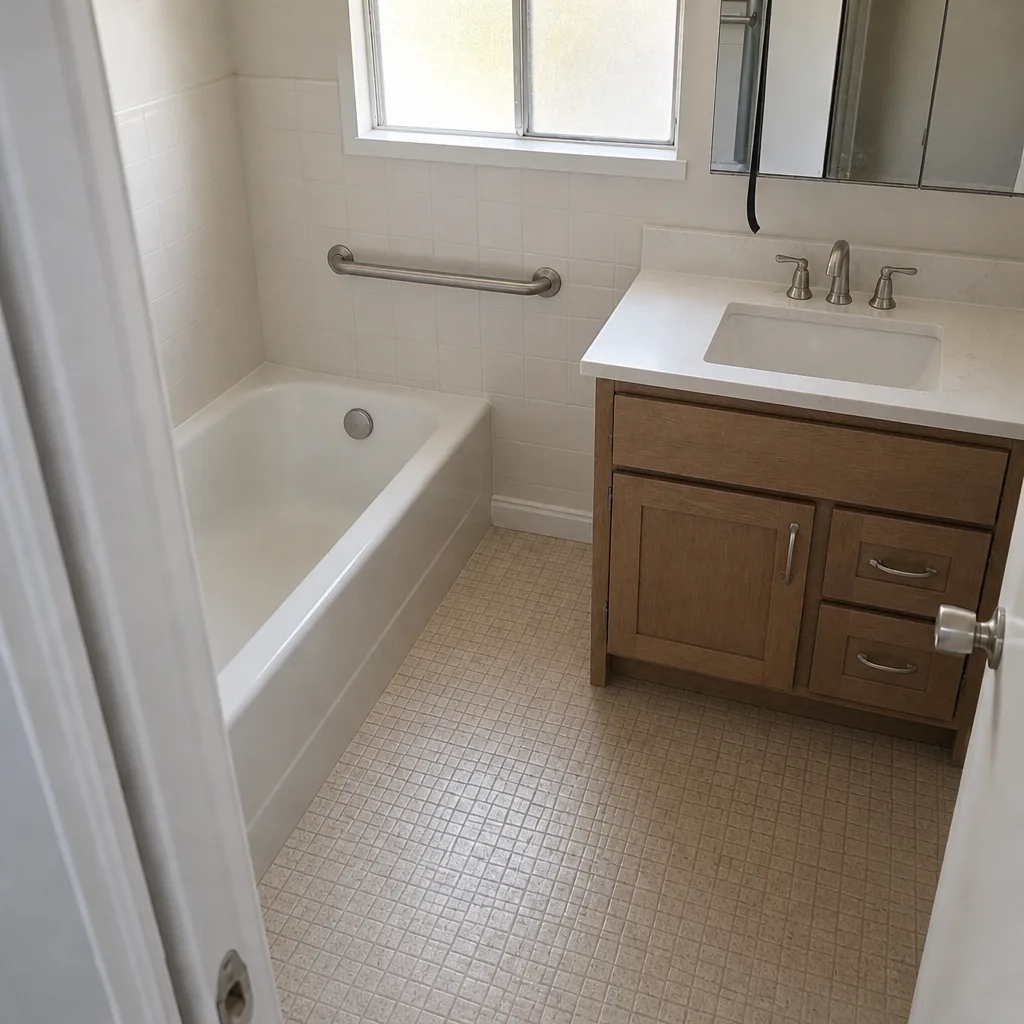
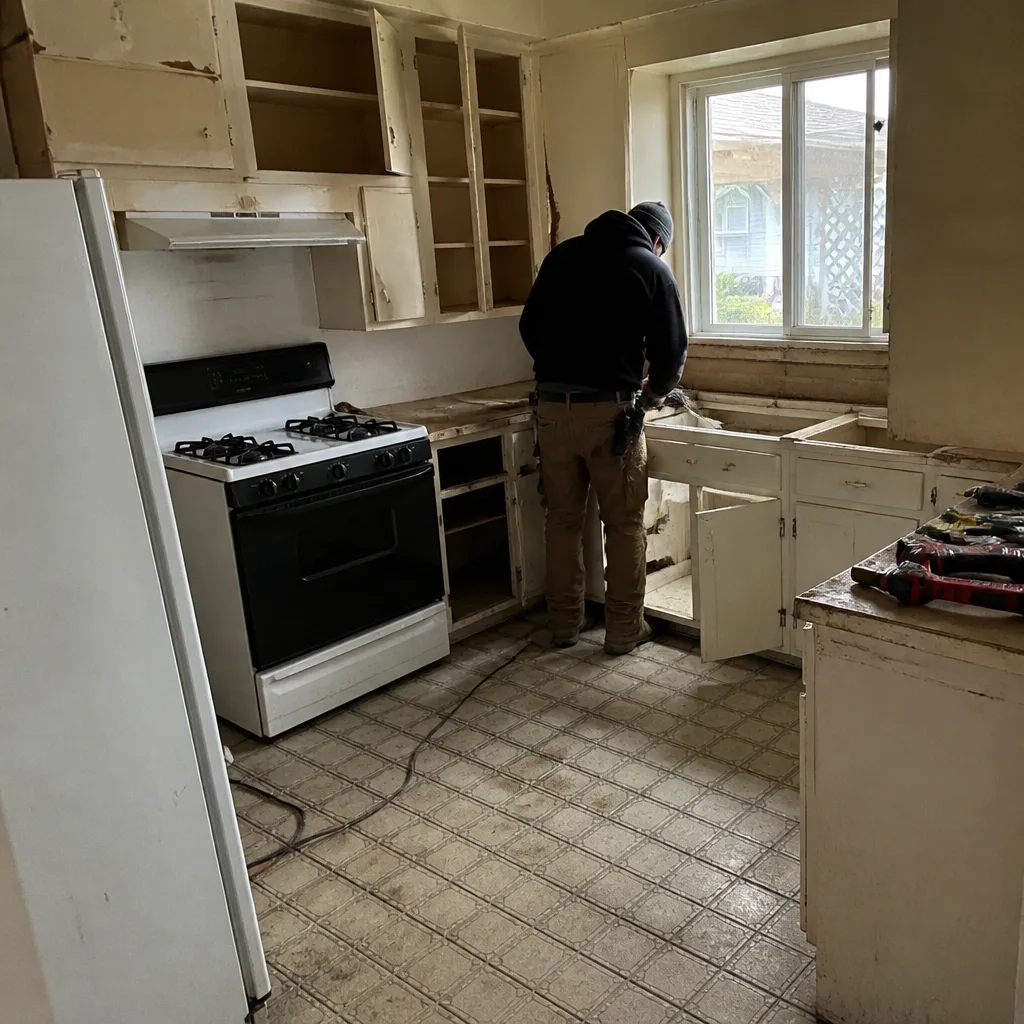
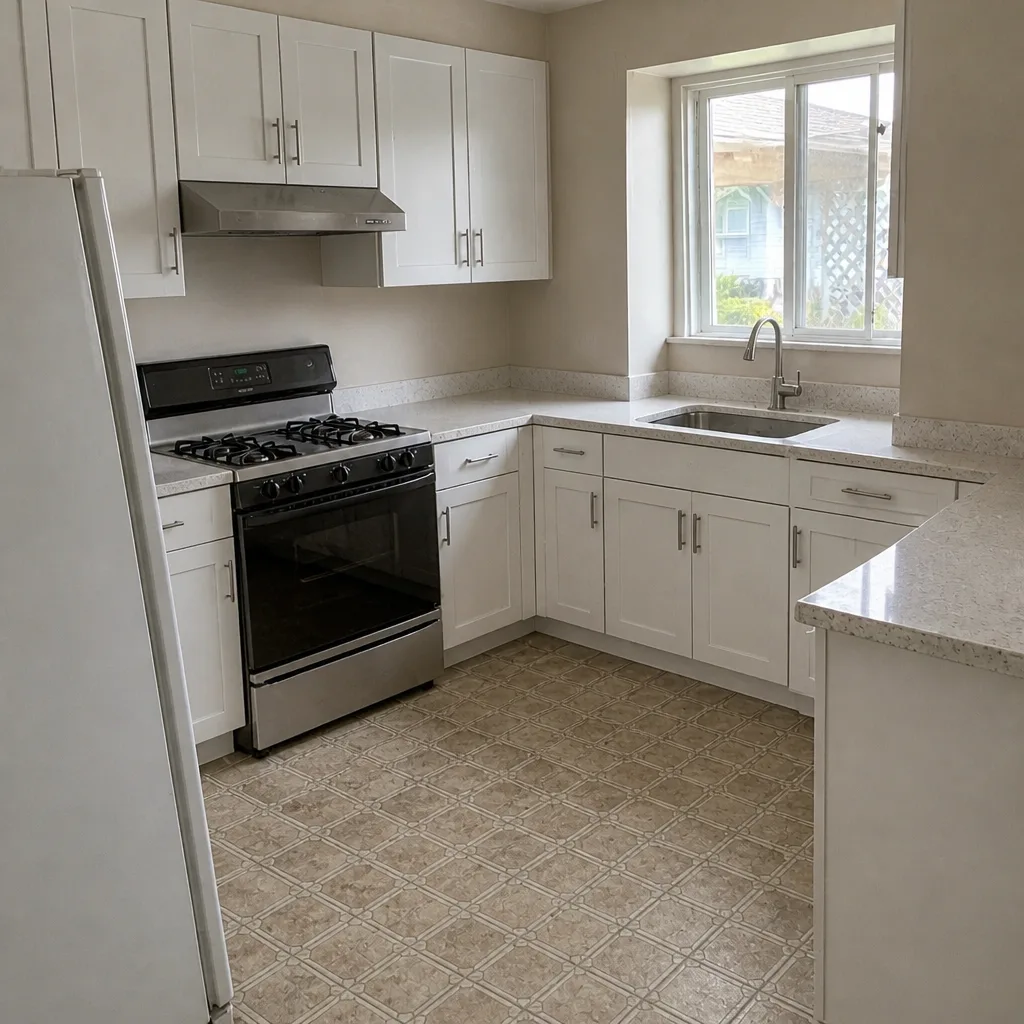
See the difference
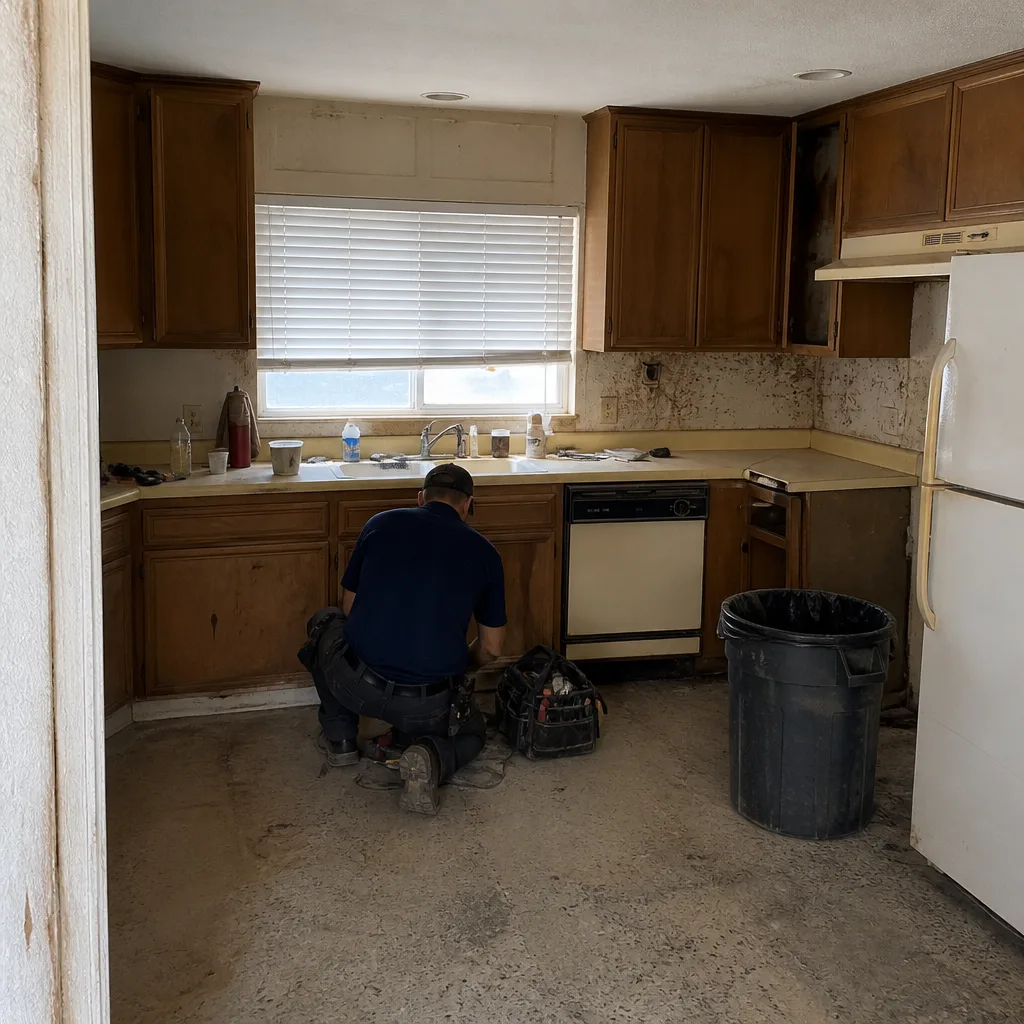 Before
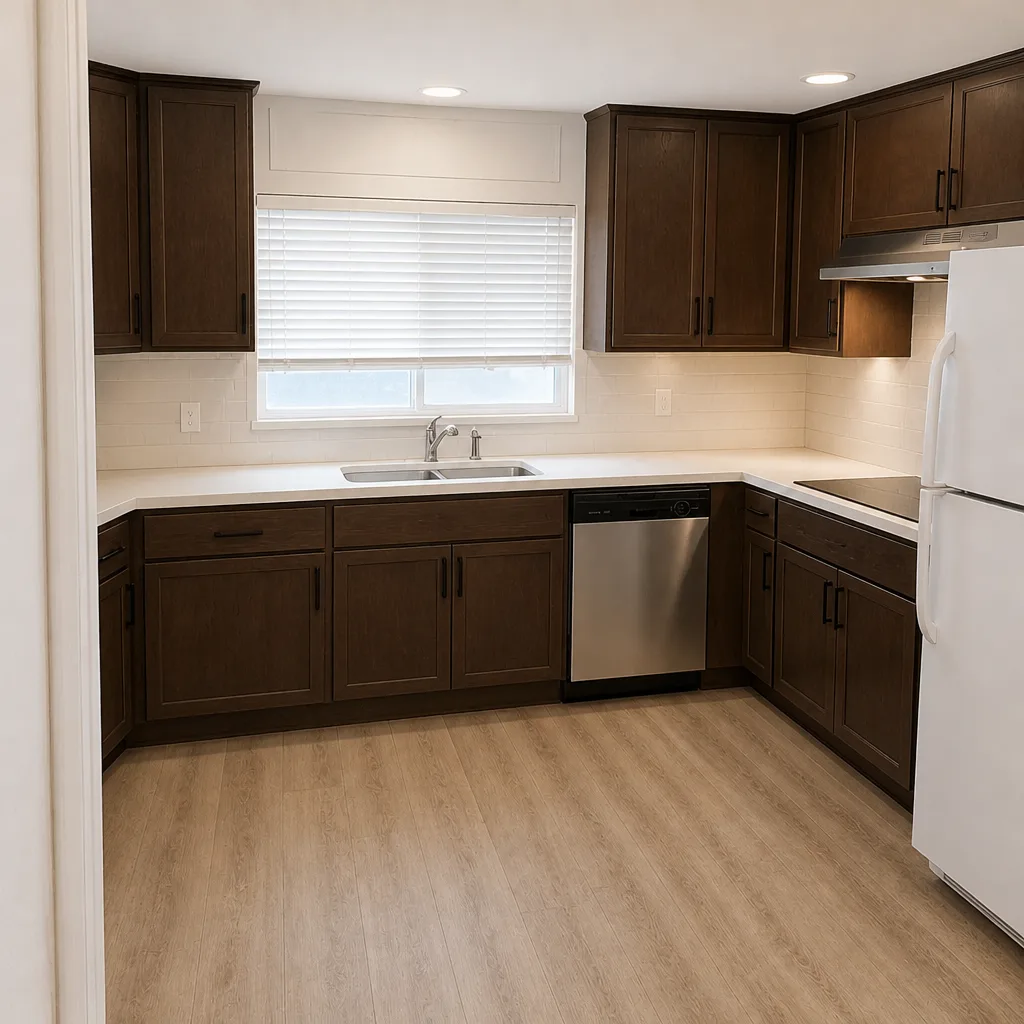 After
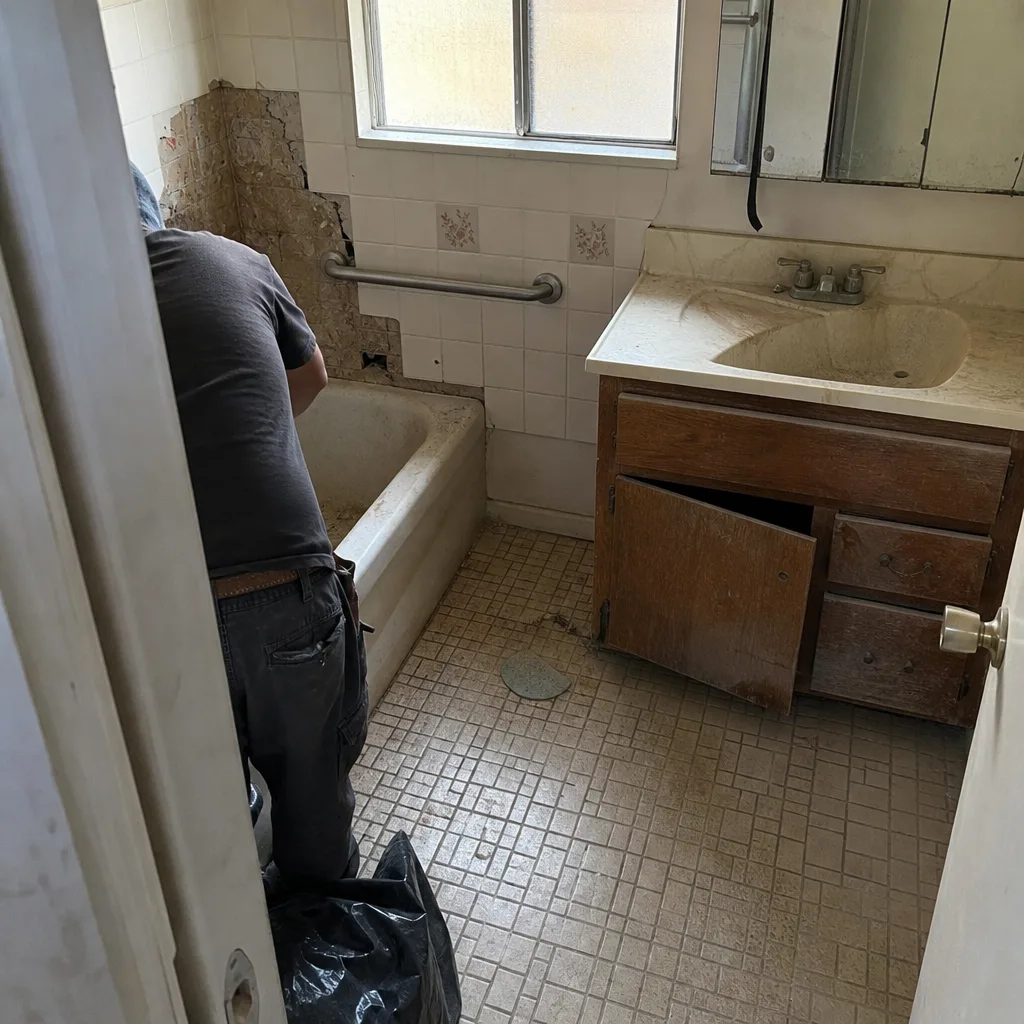 Before
 After
 Before
 After
When to Call a Professional
Call a professional the moment any of the following is true: the work touches electrical, plumbing, structural, or HVAC systems; the work requires a Roseville permit; the work involves cabinetry, countertops, or tile that comes with a manufacturer’s warranty; the work is behind a wall, under a floor, or in a wet area; or the work is more than cosmetic and you’re not completely confident in the material-specific methods. Call a professional if you’re on a timeline and can’t afford a redo. Call a professional if the resale of the house depends on a clean inspection record.
Roseville Remodeling Pros offers free estimates in Roseville. We work with competing brands so you choose the right fit, not the only option we carry. One contractor from demo to final coat. Call (279) 529-0232. We answer 24/7. Fast dispatch from 7am to 7pm, Sunday through Friday.
Frequently Asked Questions

Yes. California allows a homeowner to perform work on their own primary residence without holding a state contractor’s license. The exemption removes the licensing requirement, not the permit or inspection requirement, and the work must still pass city inspection for anything that would normally be permitted. The resale disclosure obligations on the work also fall to you as the seller. For work that involves permits or major systems, we recommend calling (279) 529-0232 to talk through the scope before starting.
Usually, yes. Replacing cabinets and countertops in place doesn’t typically require a permit, but moving electrical outlets, relocating a sink or gas line, changing a range hood to ducted, or removing a wall does. The fastest way to know for your specific project is a call to the City of Roseville building department with the address and the work description. The permit record follows the property and shows up when the house is sold.
More than the original labor would have cost, in nearly every case. A failed shower waterproofing means full tear-out, substrate replacement, and re-install, so you pay for the failed attempt and the correct install. A cracked engineered-quartz countertop is a total slab replacement. Cabinetry that’s been installed and removed usually can’t be reused. Call (279) 529-0232 for a free estimate on the correct scope before you start a job that might need to be redone.
They can. KraftMaid, Wellborn, Cambria, Silestone, and Caesarstone all condition their warranties on installation to the manufacturer’s specification, and many of the failure causes that trigger claims (warping, cracking, binding doors) trace back to improper installation. A warranty claim on a self-installed cabinet or countertop is a hard claim to win. When our team handles the install, the documentation follows the job. Call (279) 529-0232 for a free estimate.
Painting, cosmetic trim, basic fixture swaps at existing locations, and demo work after utilities are safely disconnected. Cabinet installs, countertop installs, tile showers, electrical, and plumbing should be handled by a licensed professional to protect the warranty, the inspection record, and the resale value. The hybrid split works best when you handle the reversible work and the contractor handles everything that touches the envelope.
It can, especially if it doesn’t show up in the permit record. Roseville buyers and their agents compare visible work against permit history during pre-offer diligence. Unpermitted projects and visible DIY craft spark credit requests at inspection. For a full renovation, working with a licensed contractor who pulls permits and inspects the work tends to hold up better at sale. Call (279) 529-0232 for a free estimate before you commit to a DIY path.
The Bottom Line
The DIY vs professional decision in Roseville isn’t a cost comparison. It’s a risk-layered analysis. California’s homeowner-builder exemption is real, but it doesn’t remove permits, inspections, or resale disclosure obligations. Material warranties from brands like Cambria, KraftMaid, and Wellborn depend on professional installation. Undoing a DIY mistake in the local trade market costs more than the labor you saved, often by a wide margin. And the paper trail a licensed contractor produces is worth more than the saved labor when the house goes back on the market. The right split is usually hybrid: DIY the reversible and cosmetic work, hire a licensed professional for anything that touches the permit system, the warranty documentation, or the walls.
If you’re planning a Roseville remodel and want to know where the line falls for your project, call us. Roseville Remodeling Pros provides free estimates in Roseville. Our technicians have up to 13 years of experience, we work with 50+ nationally recognized brands, and we handle kitchen, bathroom, home remodeling, flooring, and interior and exterior painting under one contract. We answer 24/7. Fast dispatch from 7am to 7pm, Sunday through Friday. Call (279) 529-0232.
Written by the team at Roseville Remodeling Pros.