Last updated November 25, 2026





Free written scope consultation - allowances, timeline, and change-order rules on paper before a single trade is scheduled
Construction Warning Signs: A Roseville Homeowner’s Reference Guide
The most expensive remodel mistake in Roseville isn’t hiring the wrong contractor on day one. It’s ignoring the signals that show up in weeks two and three and continuing to write checks anyway. Warning signs rarely announce themselves with a shouting match or a disappearing truck. They look like a vague change order, a brand name that quietly shifts on an invoice, or a permit conversation that gets deflected. We’ve watched homeowners catch these signals early and save themselves a rebuild, and we’ve watched others push past them because the crew was “so nice.” This guide shows you what to look for, when it matters, and how to document it so you’re never guessing. We’ll cover contracts, materials, permits, subcontractors, and payment schedules specific to how remodeling works in Roseville.
Quick Answer
The clearest construction warning signs in Roseville are behavioral and documentable: a contract with no scope detail or payment schedule, a contractor who discourages pulling permits for structural, electrical, or plumbing work, a deposit far above California’s legal limit, unlabeled material substitutions, and unverifiable subcontractors. Any one of these on its own is a reason to ask hard questions. Two or more together is a reason to slow down before the next payment. Your best protection is a written, line-item scope, a payment schedule tied to completed milestones, and a paper trail for every change.
Styles & brands we work with
- Kitchen remodeling
- Bathroom remodeling
- Home additions & ADU
- Roofing
- Windows & doors
- Driveway & pavers
- Fence
Table of Contents
- Contract and Communication Signals That Predict Trouble
- Payment Schedules and California Deposit Rules
- Permit Warning Signs in Roseville
- How to Spot Material Bait-and-Switch Mid-Project
- Subcontractor Quality Signals Worth Checking
- Communication Breakdowns Before They Become Disputes
- The Red Flags Ranked by Severity
- What to Do When You’ve Already Spotted a Warning Sign
Contract and Communication Signals That Predict Trouble
A weak contract is the single most predictive warning sign of a remodel that goes sideways. Look at the document before anyone swings a hammer. The specific things to check are concrete, not vague gut feelings.
The scope is one paragraph. A legitimate remodel contract in Roseville should itemize the work room by room: demo, framing, rough plumbing, rough electrical, drywall, tile, cabinetry, countertops, fixtures, paint. If the scope says “kitchen remodel per discussion” without those line items, you have no way to prove what you paid for.
There’s no written change-order process. Every remodel has changes. A trustworthy contractor tells you upfront how changes get priced and approved in writing before work proceeds. If nobody can describe that process, expect surprise invoices later.
The payment schedule isn’t tied to milestones. Payments should map to completed, inspectable work: demo complete, rough-in passed, cabinets set, countertops installed, final walkthrough. A schedule that says “50% at signing, 50% at finish” removes your leverage at exactly the moment you need it.
Communication becomes inconsistent. Watch for these behavioral shifts in weeks two and three:
- Response time to texts or emails stretches from hours to multiple days.
- Your point of contact stops answering and a “project manager” you’ve never met takes over.
- Site visits get scheduled and missed without explanation.
- Questions about what’s next get answered vaguely (“we’ll see how this week goes”).
None of those prove fraud. All of them predict abandonment or a scope dispute if they persist. Name them when they happen, in writing, and ask for a specific plan.
Payment Schedules and California Deposit Rules
California law limits how much a home improvement contractor can collect upfront. Under the state’s Business and Professions Code, a home improvement contract can require a down payment of no more than 10% of the contract price or $1,000, whichever is less, before work begins. That cap applies to residential home improvement contracts. If a contractor in Roseville asks for 30% or 40% at signing, that’s a documentable warning sign, not a personality quirk.
Here’s the payment structure that protects you:
- Small deposit at signing. The legal cap above. Enough to order materials, not enough to fund the contractor’s other jobs.
- Payment at completed milestones. Each payment follows work you can actually inspect.
- Final payment held until walkthrough. A meaningful final payment released only after punch-list items are complete.
- Materials deposits documented. If a large cabinetry order requires a supplier deposit, ask for the supplier invoice showing what was ordered and paid.
- No payments for work not yet done. “Catch-up” payments for future phases are how homeowners end up funding a job that stalls.
A 10% cap means your exposure at signing is small. That’s the point. Large upfront payments are exactly what leaves homeowners stuck when a job stalls. Ask any contractor you interview to state their payment schedule in the contract before you sign. The one who doesn’t blink has probably read the law.
Permit Warning Signs in Roseville
Permits matter because they trigger inspection, and inspection is a second set of trained eyes on structural, electrical, plumbing, and mechanical work. When a contractor discourages permits for work that legally requires them, they’re removing that safety net. That’s one of the most serious warning signs in the trade.
In Roseville, permit requirements follow California code plus city and county rules. The work that almost always requires a permit includes:
- Structural changes: removing or adding walls, moving doorways, altering framing.
- Electrical work beyond simple fixture swaps: new circuits, panel changes, relocated outlets, recessed lighting runs.
- Plumbing relocation or additions: moving a drain, adding a fixture, rerouting supply lines.
- Gas line work of any kind.
- Water heater replacement and HVAC changes.
- Adding or reconfiguring a bathroom, including waterproofing and shower pan changes.
Listen for these specific phrases:
- “You don’t need a permit for that.” (Sometimes true; often not. Verify with the city before believing it.)
- “Permits just slow us down.”
- “We can save you money by doing it unpermitted.”
- “The inspector will never see it anyway.”
Unpermitted work becomes your problem when you sell. Roseville buyers and their agents ask about permits on the disclosure, and unpermitted construction can complicate a sale or require expensive retroactive permitting. A contractor who treats permits as an inconvenience is telling you how they treat the rest of the process.
How to Spot Material Bait-and-Switch Mid-Project
Material substitution is the quietest warning sign of all. Nobody announces a swap on the front porch. It shows up on an invoice, in a box, or on your countertop after the fact.
Here’s how the pattern works. You specified Cambria quartz in a particular color. Mid-project, the installer says the color is back-ordered and offers a “close match.” Or you specified Kohler or Moen fixtures, and a different box shows up with no brand conversation. Or KraftMaid cabinetry in the semi-custom line gets replaced by an unknown brand at the same price. These swaps often come with plausible reasons and no price adjustment in your favor.
Protect yourself with four steps:
- Write exact brand and model into the contract. “Cambria quartz, color [name]” not “quartz countertops.” “Kohler or Moen faucet, model [number]” not “faucet.”
- Approve substitutions in writing. If the specified item is genuinely unavailable, the substitution requires your written approval and a credit if the replacement costs less.
- Inspect packaging on delivery. Look at the box. Look at the label. Confirm it matches the contract.
- Compare invoices to the scope. If a contractor invoices for a premium brand and installs a house brand, you can document the gap.
Our own sourcing leans on brand-level specificity for exactly this reason. We work with nationally recognized lines so homeowners can specify Cambria, Silestone, or Caesarstone for quartz, or choose among Kohler, Moen, Grohe, Toto, Delta, or American Standard for fixtures, and hold the order to the agreement. If a contractor can’t name brands at all, that’s a warning sign before the first delivery.
Subcontractor Quality Signals Worth Checking
Most residential remodels use subcontractors for specialty trades: electrical, plumbing, tile, HVAC. The general contractor coordinates them, but the people swinging hammers and pulling wire in your home are the subs. Their quality matters as much as the GC’s.
Three legal and insurance checks you can make in minutes:
- License. Any contractor or sub doing work over the state threshold must hold a valid California contractor’s license. Ask for the license number and look it up on the state licensing board’s website. A license in the correct trade classification is the right signal, not a general license on a specialty job.
- Insurance. Ask for a certificate of insurance showing general liability coverage. Verify the certificate is current and the coverage is active for your project.
- Workers’ comp. If the sub has employees, they need workers’ comp coverage. If someone gets hurt on your property without it, the liability can follow you.
Quality signals observed on site matter too:
- Tile installers who use a Schluter system for waterproofing and transitions rather than skipping membrane steps. Waterproofing detail is where cheap tile jobs fail years later.
- Electricians who label the panel and pull permits for new circuits rather than sneaking connections.
- Plumbers who pressure-test before drywall goes up, not after.
- Crews who clean up daily and protect your floor coverings.
If a GC can’t tell you which subs are licensed for which trade, that’s your answer.
Communication Breakdowns Before They Become Disputes
Anger isn’t the danger. Silence is. A contractor who tells you there’s a problem is doing their job. A contractor who stops telling you anything is the one to worry about. The pattern below appears repeatedly in projects that end in disputes.
Here’s what healthy communication looks like on a Roseville remodel:
- A written weekly update or a scheduled check-in call.
- Clear notification if a supplier delay changes the schedule.
- Immediate escalation if an inspection fails or a discovery changes scope.
- A named point of contact who answers questions in a reasonable timeframe.
Here’s what unhealthy communication looks like:
- You learn about a schedule slip from a neighbor, not the contractor.
- Subs show up on days nobody scheduled.
- Requests for information get deflected to “I’ll check with the office.”
- You’re told “don’t worry about it” when you ask a specific question.
Document the pattern. Send an email restating what you asked and what you were told. If the pattern continues for more than a week, escalate in writing and consider whether to pause payments until you get a concrete plan.
The Red Flags Ranked by Severity
Not all warning signs carry equal weight. Some can be resolved with a phone call. Others should stop the project. Use this ranking as a triage:
- Stop-payment red flags. No license, no insurance certification, unpermitted structural or electrical work, deposit far above the legal cap, requests for checks made out to an individual instead of the business.
- Serious red flags requiring written escalation. Repeated missed commitments without explanation, material substitution without approval, disappearing communication for more than a few days, unexplained schedule shifts that affect other trades.
- Moderate red flags to watch. Slow responses, vague next steps, small unapproved scope additions, minor cosmetic variance from plan.
- Small issues worth a conversation. Daily cleanup lapses, parking confusion, minor invoice formatting errors.
Two or more moderate flags at the same time escalate to serious. One serious flag plus continued silence escalates to stop-payment. Remember: heat, drywall dust, and tight timelines in a Roseville summer make everyone a little raw. Grading your contractor on one bad day is unfair. Grading them on a two-week pattern of the same signal is fair, and useful.
What to Do When You’ve Already Spotted a Warning Sign
You don’t need to blow up the project to protect yourself. The path forward depends on what you’re seeing. Here’s the sequence we recommend.
- Write it down. Email yourself and the contractor a factual summary of what happened and when. Facts only, no accusations.
- Ask for a written plan. “Please confirm in writing the schedule and payment schedule for the balance of the work.” That single sentence forces a response.
- Verify the paperwork. Pull the contractor’s license status, insurance certificate, and permit history directly. If the license lapsed or the permit was never pulled, that’s the moment to escalate.
- Pause the next payment. You are not required to make payments ahead of completed work. Pausing the next payment at a milestone boundary is legal and normal.
- Consider a neutral third party. The California Contractors State License Board offers a complaint process for unlicensed and licensed contractors. Small-claims court handles many smaller disputes. An attorney can review the contract if the numbers are large.
- Get a second opinion. A written scope from another contractor can tell you quickly whether the work you’ve received matches what should have been delivered. It’s a useful benchmark whether or not you switch.
The homeowner who spots the signal at week two and sends one clear email is in a far better position than the homeowner who waits until month four to start asking questions. The paper trail is the protection, and it starts the first time something feels off.
Common Mistakes to Avoid
- Paying a large deposit without a written contract. California law limits the down payment. If you go over the cap voluntarily, you lose leverage before work begins.
- Accepting verbal change orders. Verbal approvals are nearly impossible to prove later. If a change is discussed on site, ask for it in writing before work proceeds.
- Letting a contractor talk you out of a permit for structural or electrical work. Inspections are your free quality check. Skipping them saves time and creates liability you can’t offload at resale.
- Not verifying the license and insurance yourself. A business card and a hand-written license number on an invoice aren’t verification. Look them up independently.
- Approving “close match” material substitutions without a price adjustment. A substitution is fine if you approve it in writing and the credit reflects the price difference.
- Assuming silence is progress. A quiet job site and a quiet phone mean something. Ask for a written status update every week, even when things look fine.
- Skipping the final walkthrough. The last payment should not go out until you’ve walked the job with a punch list in hand and every item is completed and signed off.
See the difference
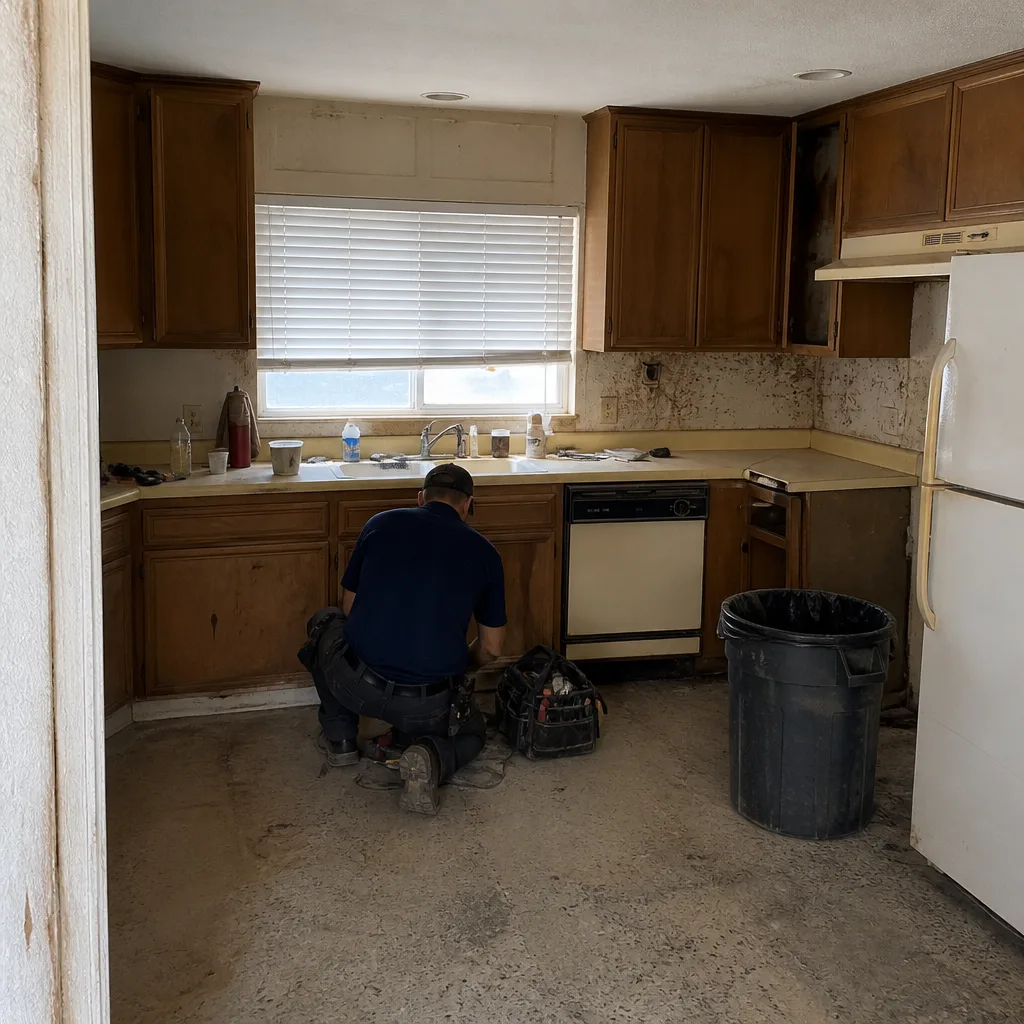 Before
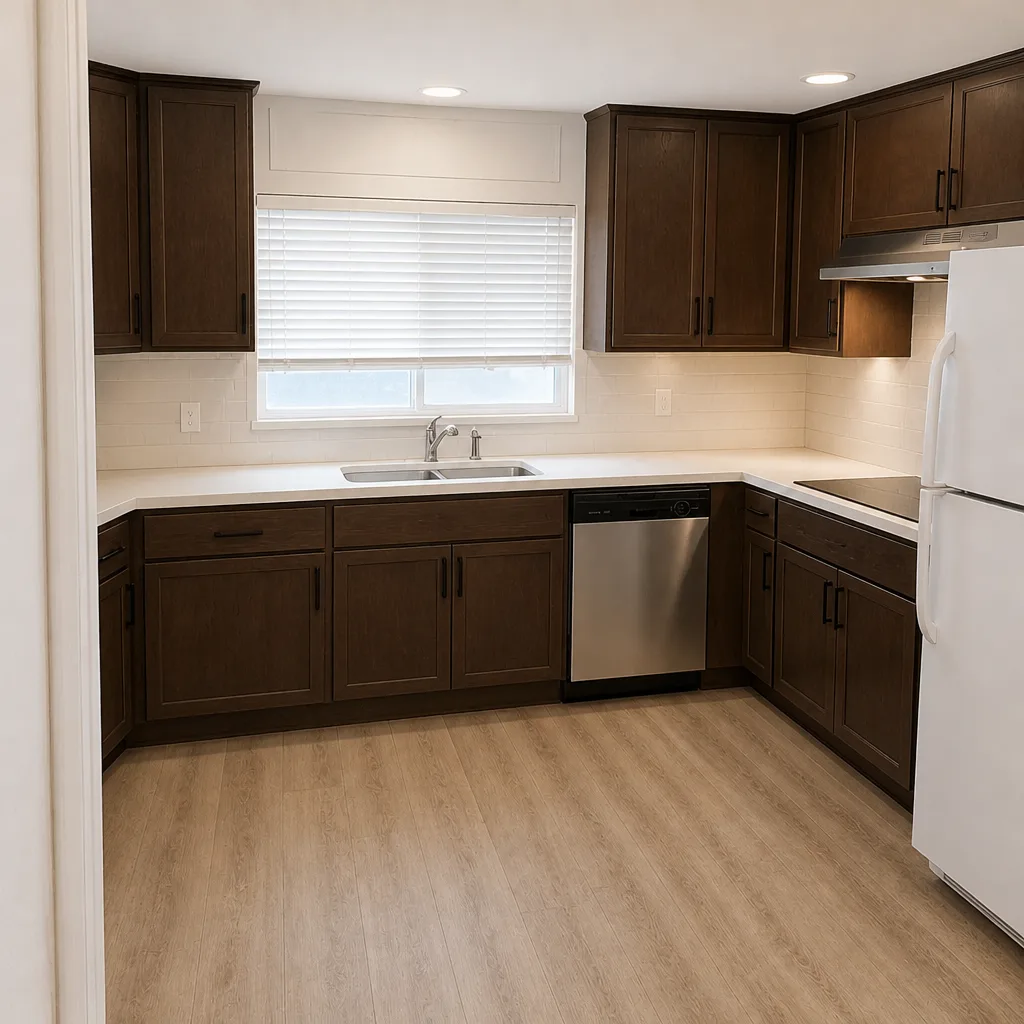 After
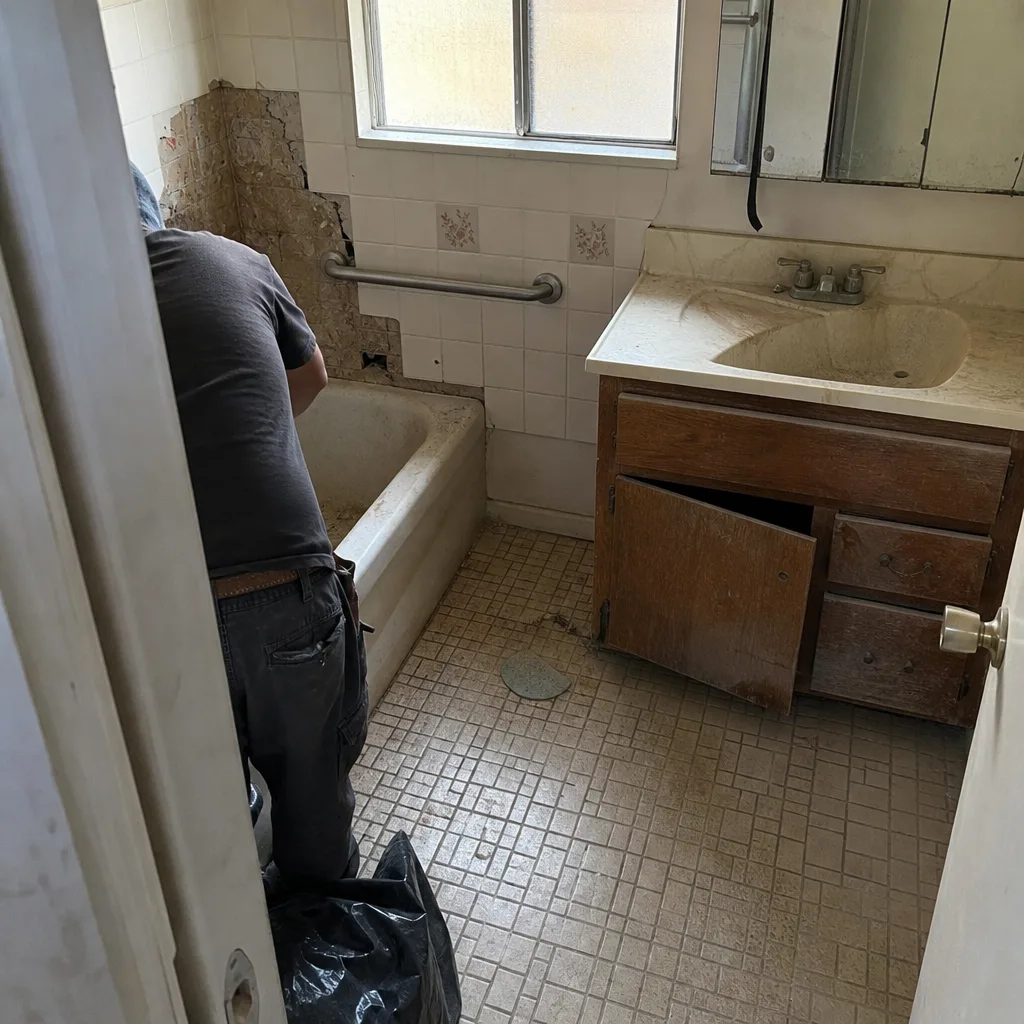 Before
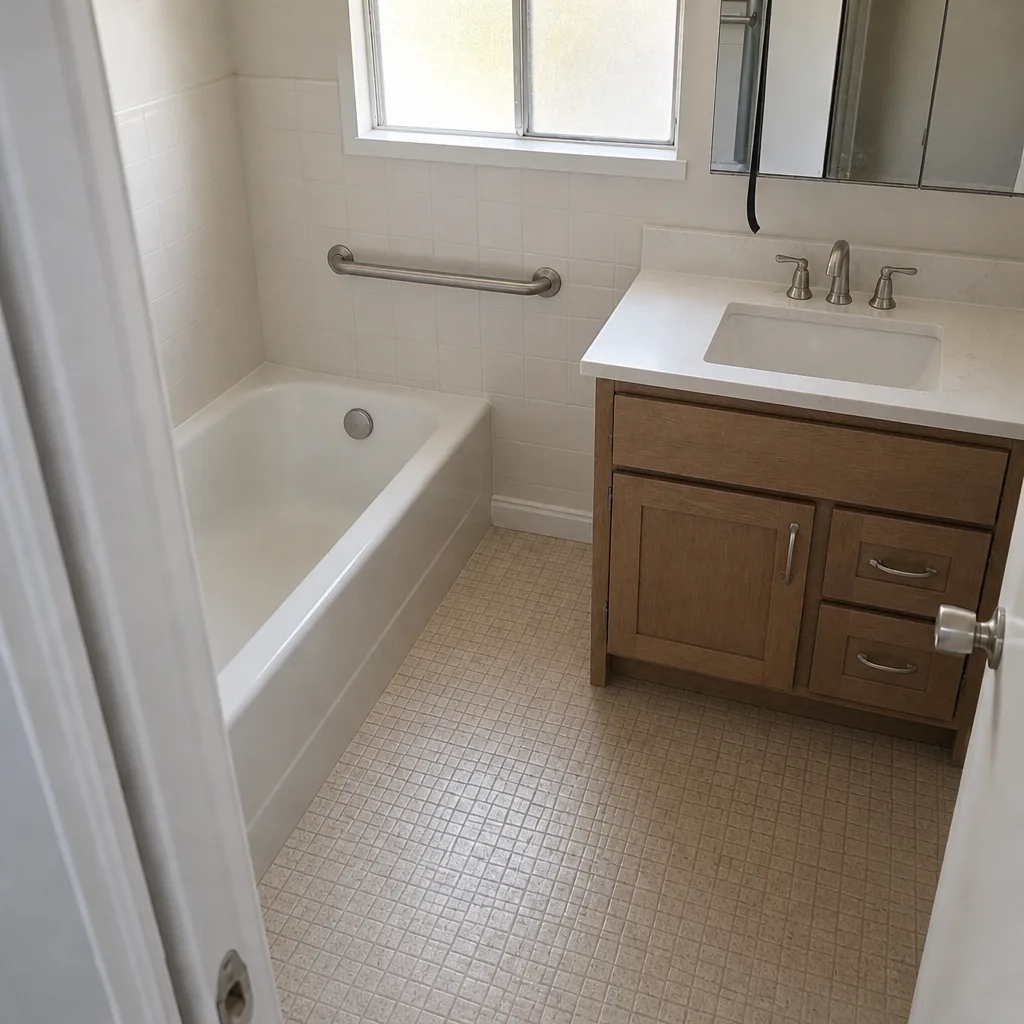 After
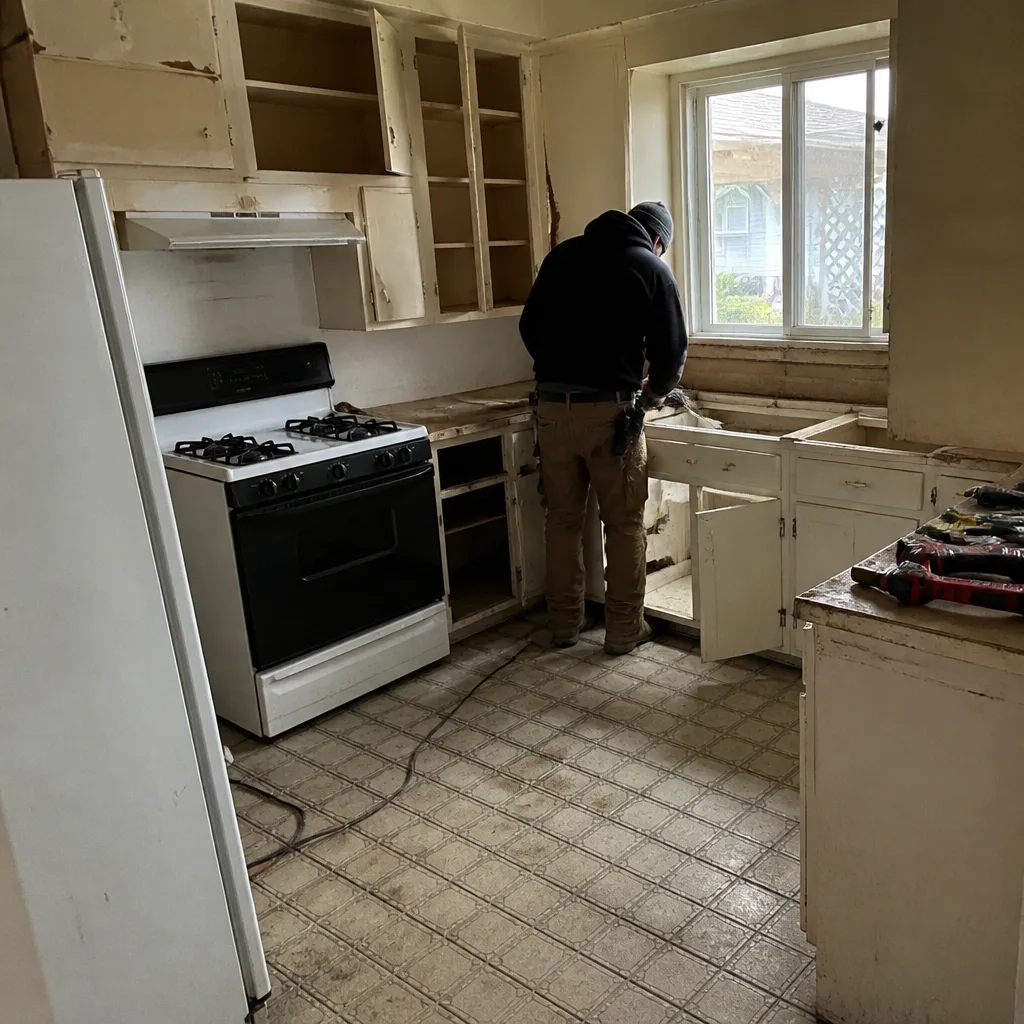 Before
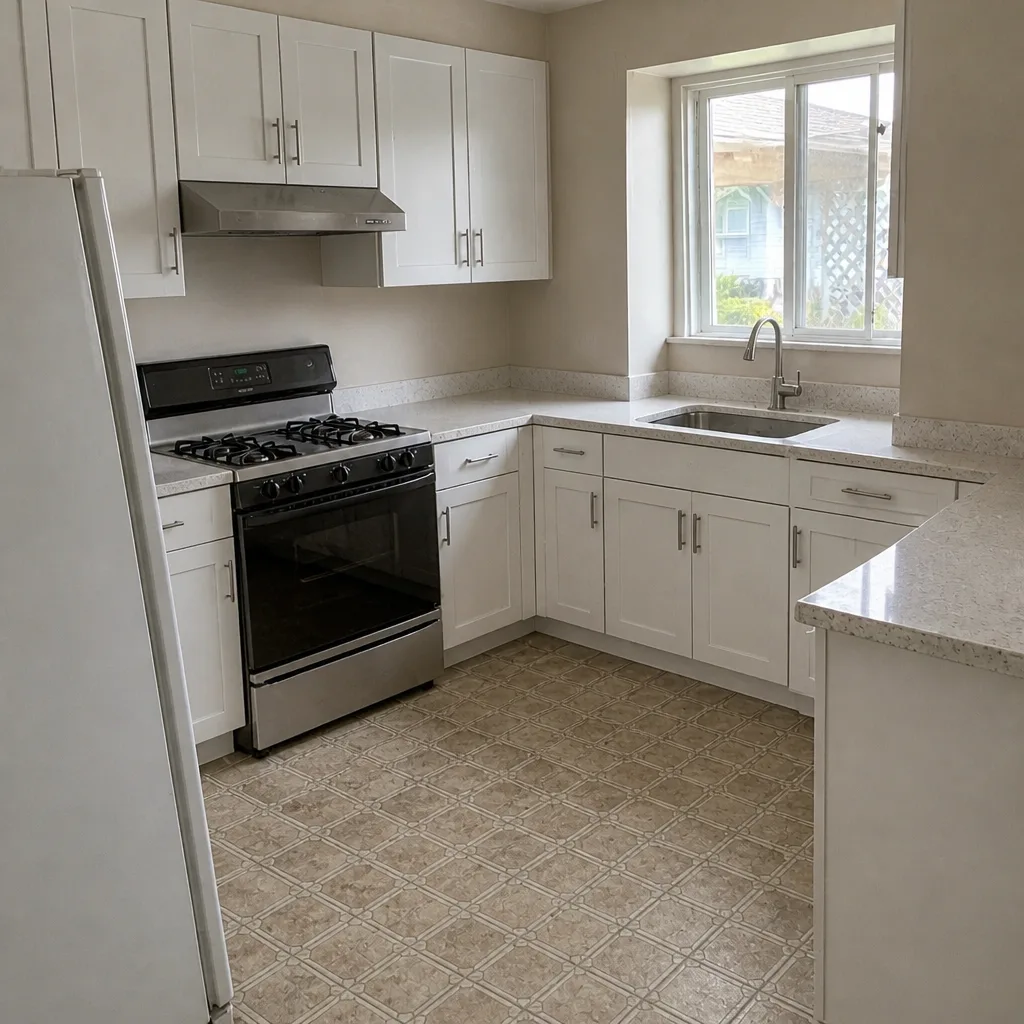 After
When to Call a Professional
Call a professional remodeling contractor when the scope involves any of the following: kitchen or bathroom renovation that touches plumbing, electrical, or waterproofing; flooring installation over uneven subfloor or with transitions; interior or exterior painting where surface prep and finish matter; multi-room updates that require coordination between trades. If you’re evaluating a contractor and something feels off, a written scope and second opinion from a company that does all five under one contract can tell you quickly what’s actually wrong. Our licenses and insurance live at the subcontractor level, and we can walk you through exactly what to verify. Roseville Remodeling Pros offers free estimates in Roseville and can review your current scope before you commit the next check. Call (279) 529-0232. We answer 24/7. Fast dispatch from 7am to 7pm, Sunday through Friday.
Frequently Asked Questions

The biggest single warning sign is a contractor who discourages pulling a permit for work that legally requires one in Roseville. That behavior removes your safety check, complicates the eventual sale, and predicts the same corner-cutting in every other phase. If a contractor tells you permits are unnecessary for structural, electrical, plumbing, or gas work, get a second opinion before proceeding. Call (279) 529-0232 for a free estimate and scope review.
Under California’s Business and Professions Code, a home improvement contract can require a down payment of no more than 10% of the contract price or $1,000, whichever is less, before work begins. Any contractor asking for a much larger upfront deposit is asking you to break the law’s protection. The rest of the payments should be tied to completed milestones. Call (279) 529-0232 for a written line-item estimate.
Check three places: the box your material arrived in, the invoice, and the contract scope. The contract should specify exact brand and model, such as Cambria quartz or a Kohler fixture. If the delivered product, packaging, or invoice doesn’t match, that’s a documentable substitution. Ask for a written substitution approval and a credit if the swap saved the contractor money. Call (279) 529-0232 with the scope and we’ll walk you through what was specified.
Yes. Any contractor or sub doing work above the state threshold in Roseville must hold a valid California contractor’s license in the classification that covers their trade. Electrical, plumbing, HVAC, and general construction all have their own classifications. Verify the license number on the state licensing board’s website, and request a current certificate of insurance before the sub starts. Call (279) 529-0232 to schedule a free estimate and let us verify our licensed partners on our next project with you.
Send one clear, factual email restating what you asked and what you were told, and ask for a written plan for the balance of the work. If you don’t get a substantive reply, pause the next milestone payment and get a written second opinion on the work delivered so far. Continued silence is a serious warning sign, not a personality quirk. Call (279) 529-0232 for a free second-opinion estimate.
Almost always, if the work touches plumbing, electrical, gas, or structural elements. Cosmetic updates like paint, backsplash, or replacing a light fixture may not require a permit, but moving a drain, adding circuits, or changing a shower pan typically does. Confirm the specifics with the City of Roseville’s building department before work begins. Call (279) 529-0232 for a written scope that identifies what needs permitting.
The Bottom Line
Warning signs on a Roseville remodel are rarely loud. They’re written into weak contracts, skipped permits, substituted materials, unverified subs, and long silences. Catch them at week two, and you have options: escalate in writing, pause a payment, verify the paperwork, and ask for a concrete plan. Ignore them until month four, and your options shrink while your exposure grows. The protections are simple: a line-item scope, a payment schedule tied to milestones, permits pulled for everything that needs them, brand-level material specs in the contract, and license and insurance verified before the first sub walks in. If you’d like a second set of eyes on a current scope, or want a project run right from the start, Roseville Remodeling Pros handles home remodeling, kitchen remodeling, bathroom remodeling, flooring, and interior and exterior painting under one contract. Our technicians have up to 13 years of experience. Call (279) 529-0232 for a free estimate. We answer 24/7. Fast dispatch from 7am to 7pm, Sunday through Friday.
Written by the team at Roseville Remodeling Pros.