Last updated November 25, 2026




Free written scope consultation - allowances, timeline, and change-order rules on paper before a single trade is scheduled
Construction Emergency Preparedness Guide for Roseville Homes
A construction emergency rarely announces itself as one. The supply line that fails behind a half-finished vanity, the wall cavity that opens onto old insulation nobody tested, the inspector’s stop-work notice taped to a door frame – each is a problem with a deadline attached, and each gets expensive fast when nobody has decided in advance who does what. Most homeowners spend months choosing Cambria versus Caesarstone and never once ask who shuts off the water at 2am. That gap is what this guide closes. You’ll learn the five emergencies that actually happen mid-remodel in Roseville homes, the first-24-hour response for each, how to document a live project so an insurance claim holds up, and how to triage a crisis when your contractor can’t be reached.
Quick Answer
A construction emergency is any mid-project event – water intrusion, a hazardous-material discovery, an electrical failure, a structural surprise, or a permit stop-work order – that halts work and threatens the building or your insurance standing. The homeowner’s job in the first 24 hours is narrow and specific: stop the damage, secure the site, document everything with timestamped photos, and notify your contractor, your insurer, and the relevant Roseville department in that order. A written response plan prepared before demolition begins cuts both the repair cost and the stress dramatically. Everything below builds that plan, section by section.
Styles & brands we work with
- Kitchen remodeling
- Bathroom remodeling
- Home additions & ADU
- Roofing
- Windows & doors
- Driveway & pavers
- Fence
Table of Contents
- Why Roseville Construction Emergencies Follow Predictable Patterns
- The Five Most Common Mid-Remodel Emergencies in Roseville Homes
- First 24-Hour Response, Emergency by Emergency
- How to Document an In-Progress Remodel for Insurance
- Roseville Resources: Who to Call, and in What Order
- Construction-Phase Insurance Gaps Most Homeowners Miss
- Triage When Your Contractor Is Unreachable
- Building Your Pre-Demolition Emergency Plan
Why Roseville Construction Emergencies Follow Predictable Patterns
Emergency response feels chaotic because nobody plans for it, not because the events themselves are random. In our experience across Roseville kitchens, bathrooms, and whole-home refreshes, the same five failure modes account for nearly every mid-project crisis. Water finds the lowest point. Old houses hide what the disclosure never mentioned. Electrical panels hit their ceiling the moment you add a steam shower and a range hood to a circuit that was already loaded. Walls conceal what drawings don’t show. And permitting, when work starts before it’s pulled correctly, invites the one visitor no project wants.
Roseville sits in a mild-winter climate, which changes the script in useful ways. You’re not staging for a hard freeze or prepping for a snow load. The local risk profile leans on the water and electrical side, plus the age of the housing stock. A good chunk of Roseville’s established neighborhoods – older pockets around the downtown grid and mid-century tracts off the main corridors – date to decades when asbestos and aluminum branch wiring were routine, and renovation there surfaces materials that newer construction never will.
That predictability is the whole point of this guide. If you know the five failure modes and their first-24-hour responses cold, you’re not improvising at the worst possible moment. You’re executing a plan you wrote when the house was calm. Homeowners who plan tend to spend a fraction of what the improvising crowd spends, and they keep their projects and their insurance claims intact. The rest of this guide treats each mode as a standalone answer you can return to when it’s happening to you.
The Five Most Common Mid-Remodel Emergencies in Roseville Homes
Here’s the short version of each, with the detail in the sections that follow. Save or print this list – it’s the index you’ll want when your hands are wet.
- Water intrusion. A failed supply line, a leaking drain tie-in, an appliance connection that let go, or rain entering through an open wall or missing roof section during a storm. In an active demo, water reaches framing and finished rooms below fast.
- Asbestos discovery. Pre-1980 Roseville homes commonly hide asbestos in floor tile and mastic, in joint compound, in pipe wrap, and in older ceiling textures. Disturbing it mid-demo turns a remodel into a regulated abatement.
- Electrical capacity failure. An aging panel that can’t carry the new kitchen load, a circuit that trips under fresh demand, or wiring discovered to be undersized or unsafe once a wall comes down.
- Structural surprises. A non-load-bearing wall that turns out to be load-bearing, a rotted sill or joist under a tile floor, or a header that doesn’t exist where the plan assumed it did.
- Permit stop-work orders. Work started before a permit was pulled, work that doesn’t match the approved plans, or an inspection that failed on a code point that has to be corrected before anything continues.
Each has a first response that buys you time and protects your legal position. Water wants a shutoff and extraction. Asbestos wants containment and no further disturbance. Electrical wants the breaker off and a licensed electrician on the phone. Structural wants shoring and no weight on the area. A stop-work order wants work halted immediately and a call to the Roseville permit office. None of these are DIY fixes; they’re triage moves that keep the situation from compounding before the right professional arrives.
First 24-Hour Response, Emergency by Emergency
The first 24 hours decide the size of the bill. Here’s how each emergency plays out and what you do, in order, before the cavalry arrives. This is triage, not instruction – the actual repair belongs to a licensed professional.
Water intrusion. Shut off the main supply immediately if water is still flowing, then the affected circuit at the panel. Move valuables and finished materials clear, and start extracting standing water with towels or a wet vac. Get air moving. Then photograph everything before it dries, because the drying is exactly what an adjuster will want to see documented. Call your contractor and, if the water reached more than a small area, a restoration company.
Asbestos discovery. Stop work in that area entirely. Do not sweep, vacuum, or demo further, and keep the household out of the room. Asbestos fibers are a genuine health hazard, and disturbing suspect material is the worst thing you can do. Bring in a licensed asbestos inspector or abatement contractor before work resumes anywhere near it.
Electrical capacity failure. If a circuit trips repeatedly or you smell burning, switch the breaker off and leave it off. Electrical panels and wiring carry real shock and fire risk – this is never a homeowner repair. Call a licensed electrician to assess the panel and the circuit load before the project continues.
Structural surprises. If a wall or floor area looks compromised, keep weight off it and don’t remove anything further. A structural engineer or your contractor’s framing specialist needs to assess before you make decisions. Do not try to shore it yourself.
Permit stop-work order. Halt all work at once. Read the notice carefully – it states the violation and the corrective path. Contact the City of Roseville’s building department to understand what’s required, and get your contractor on the phone the same day. Continuing work past a stop order compounds the problem.
How to Document an In-Progress Remodel for Insurance
An insurance claim on an active remodel is only as strong as the paper trail behind it. Build that trail before anything goes wrong, because reconstructing it afterward is the part that sinks claims. Your file has four parts.
- Photos. A dated photo record of the project at every milestone: pre-demo condition, framing, rough-in, and finished work. Timestamped, with a little context in each frame. Store them in cloud storage or a shared folder, not only on a phone that could be lost.
- Receipts and invoices. Every material purchase, every subcontractor invoice, every change order signed. These establish value if anything is damaged or destroyed mid-project. Keep a running digital folder.
- Permit records. The approved plans, the permit number, and inspection sign-offs. These prove the work was authorized and inspected, which matters both to an adjuster and to a city inspector.
- Contract and scope. The signed contract, the scope of work, and the schedule. If a dispute or a claim arises, this is the document everyone reads first.
Where to store it all: one cloud-based folder that you, your contractor, and your insurer can access if needed. Photograph the file cabinet too – paper copies get lost in a flood. If your materials choices are premium, note them specifically. A claim that lists “quartz countertop” is weaker than one that lists Cambria quartz by name, because the adjuster values the actual product. This is where a contractor with real material knowledge helps; being able to document exactly what was specified and installed speeds a claim and reduces disputes. We keep the same record on our side, and we’re happy to compare notes with your insurer’s process.
Roseville Resources: Who to Call, and in What Order
Order matters, because calling the wrong resource first wastes the hours that matter. Here’s the general sequence for a Roseville construction emergency, with the caveat that each situation plays slightly differently.
- Your contractor. First call, always. They know the project, the permit status, and the site conditions, and they carry the accountability for the work.
- The emergency utility or trade professional. Water shut off, breaker off, hazardous material contained – whichever licensed specialist the situation demands. Electrical and gas always go to a licensed professional, without exception.
- Your insurance company. Open the claim early. An adjuster will want a documented file and may want to see the site before repairs proceed. Ask what they need photographed before anything is moved or cleaned.
- The City of Roseville building department. For anything permit-related – a stop-work order, a failed inspection, a structural change not on the plans, or a discovery that alters the approved scope. Call them proactively; a homeowner who self-reports a problem is in a far better position than one who gets caught.
- A restoration company. For water or smoke or fire damage, after the source is controlled. Get a couple of quotes and confirm they’ll work with your insurer.
Keep these numbers in your phone before the project starts: your contractor, your insurer’s claims line, the city building department, and a restoration company you trust. Roseville’s building department handles permits and inspections for residential renovation, and calling them early on a stop-work issue is almost always the right move. As a business, we work directly with homeowners across the Roseville area and can help you understand which resource to engage first when a project goes sideways – we’d rather you call us and save a misstep than guess.
Construction-Phase Insurance Gaps Most Homeowners Miss
Your standard homeowner’s policy is written for a finished, occupied house – not an active construction site full of open walls, exposed framing, and stored materials. That gap is where people get surprised.
- Vacancy and unoccupancy clauses. During a major remodel, the house may be legally “unoccupied” for stretches. Many standard policies limit coverage once a home is empty for a period, and some exclude damage while work is underway. Read the wording and ask.
- The contractor’s insurance is not your insurance. A licensed, insured contractor carries general liability and workers’ comp, and you should verify both before work starts. That protects you from liability if a worker is hurt or the contractor damages your home – but it doesn’t cover your own property damage. The two layers are different.
- Materials stored on-site. Cabinets, tile, and countertops waiting for install are your property and your responsibility. Confirm your policy covers materials stored at the house during construction.
- Substantial-improvement or renovation endorsements. Some insurers offer a rider that covers an active remodel. Ask specifically whether your policy has one and whether you need it for the scope you’re planning.
Close the gaps before demolition, not after. A ten-minute call to your insurer with the scope of work in hand is the highest-value conversation you’ll have all project. Ask directly: is there anything about an active renovation that limits my coverage? Get the answer in writing. There’s also a liability point worth understanding: a contractor who pulled the permits and passed inspections is in a very different position, legally and for insurance, than one who didn’t. That’s one quiet reason to insist on a permitted job from the beginning.
Triage When Your Contractor Is Unreachable
Contractors get sick, phones die, and sometimes you simply can’t reach the person running your job. You still have to act. Here’s what a homeowner can legally and safely do without voiding the contract or losing permit standing.
- Stop. You can shut off the water main, switch off a breaker, and stop all work. Stopping to prevent damage is protecting your property, and no contract obliges you to let water pour through a ceiling.
- Secure. You can cover open roofs and walls with tarps, board up openings, and lock the site against weather and unauthorized entry. This is protective, not construction.
- Document. Photograph and video everything, note times, and keep a written log of what you did and when. This log is your protection if a dispute follows.
- Do NOT. Do not perform the repair work yourself, remove structural elements, handle suspected asbestos, or touch electrical or gas danger. Those cross the line into the contractor’s licensed scope and can void insurance protection or permit standing.
Then notify the contractor in writing – email or text – that you’ve taken protective action and need them to address the situation. Keep it factual and dated. If the contractor remains unreachable for a serious issue, call your insurer and the city building department; both prefer a homeowner acting responsibly over a homeowner standing by while a problem grows. In our experience, the biggest triage mistake is doing too much, not too little. Secure the site, stop the flow, document everything, and let a licensed professional carry the repairs.
Building Your Pre-Demolition Emergency Plan
The best emergency response is the one you’ve already rehearsed. Put this plan together before the first wall comes down. It takes an afternoon and pays for itself the first time you need it.
- Write the contact sheet. Contractor, insurer claims line, city building department, licensed electrician, licensed plumber, and a restoration company. Printed and in a kitchen drawer, not only in your phone.
- Locate your shutoffs. Know exactly where the main water shutoff and the electrical panel are, and show everyone in the household. Labeling the main breaker is a small, high-value habit.
- Start the documentation folder. Cloud-based, with subfolders for photos, receipts, permits, and the signed contract. Add to it weekly.
- Call your insurer. Confirm coverage for an active remodel, ask about unoccupancy limits, and get the answer in writing.
- Verify the contractor’s insurance and the permit. The permit number should exist before work starts. Ask for certificates of insurance and confirm they’re current.
- Photograph the pre-demo condition. Every room, every finish, inside and out. This is your baseline.
- Agree on the emergency protocol in the contract. Who you call, in what order, and who authorizes emergency work. Put it in writing.
If your project touches a kitchen or bathroom, this planning matters most, because those rooms carry water and heavy electrical load. Choosing materials with a real eye to what’s behind the wall – KraftMaid cabinetry with a solid rough-in, Cambria quartz over a level, moisture-stable substrate – starts with knowing the house. Ask your contractor to walk the site and name the risk areas before bidding. The same discipline that gets a bathroom remodel right also keeps it from becoming an emergency. One team from demo to final coat means one throat to choke when something goes wrong, and one person holding the plan.
Common Mistakes to Avoid
- Starting demo before the permit is pulled. This is the single most common route to a stop-work order, and it can stall your project for weeks while the paperwork catches up. Pull the permit first, every time.
- Relying on a verbal scope. A remodel documented only by conversation leaves you with no proof of what was agreed, which is exactly what an adjuster or a dispute needs. Get it in writing, with changes in writing too.
- Documening costs after the fact. Photos and receipts assembled the week of a claim are suspect. Build the file continuously, week by week, starting before demo.
- Assuming the contractor’s insurance covers your home. It doesn’t. Their policy protects them; yours protects you. Verify both and close your own gaps.
- Doing electrical or structural repairs yourself. The temptation to “just fix it” when the contractor is unreachable creates real shock, fire, and collapse risk. Stop, secure, and document instead.
- Ignoring an old house’s material history. Pre-1980 Roseville homes can hide asbestos and questionable wiring. Assume the surprise until an inspection rules it out, and never disturb suspect material.
- Letting a stop-work order sit. A stop order you respond to the same day is a delay. One you ignore can become a violation. Call the building department immediately.
See the difference
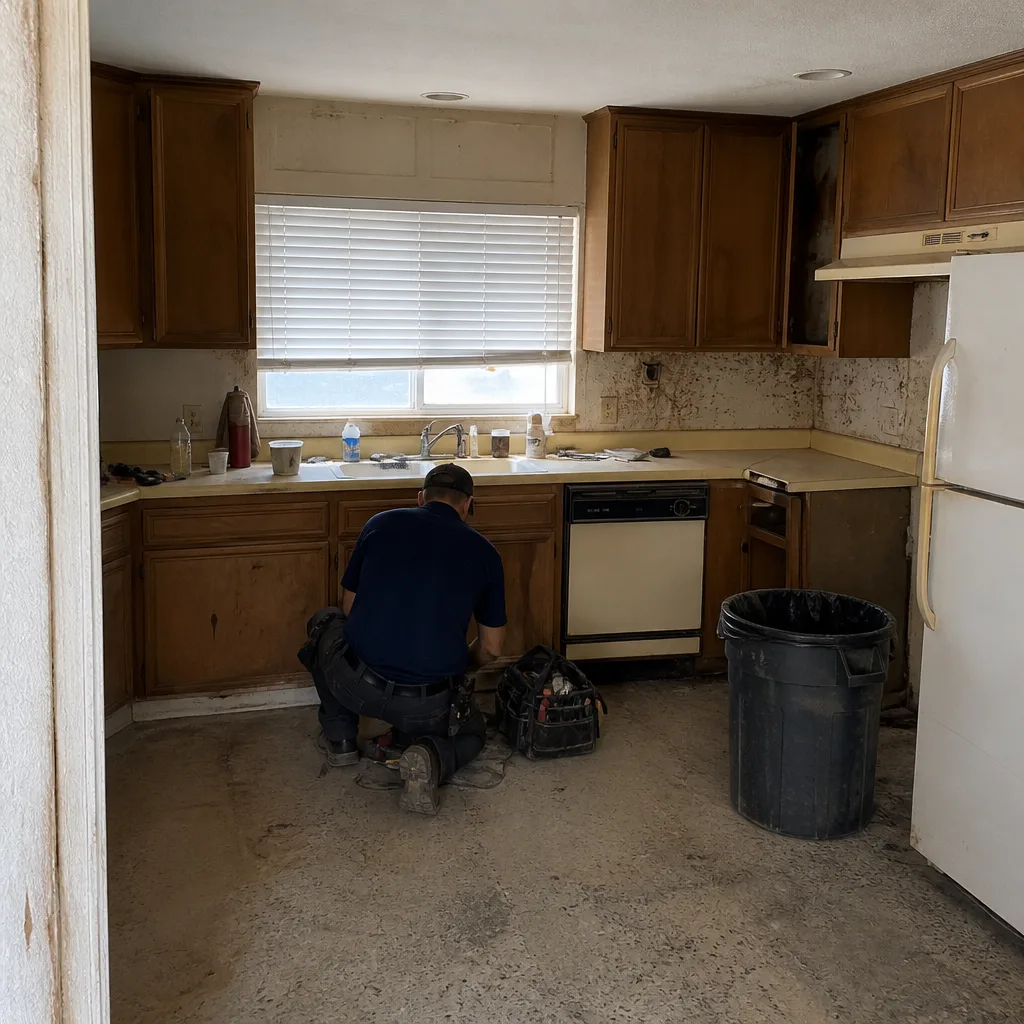 Before
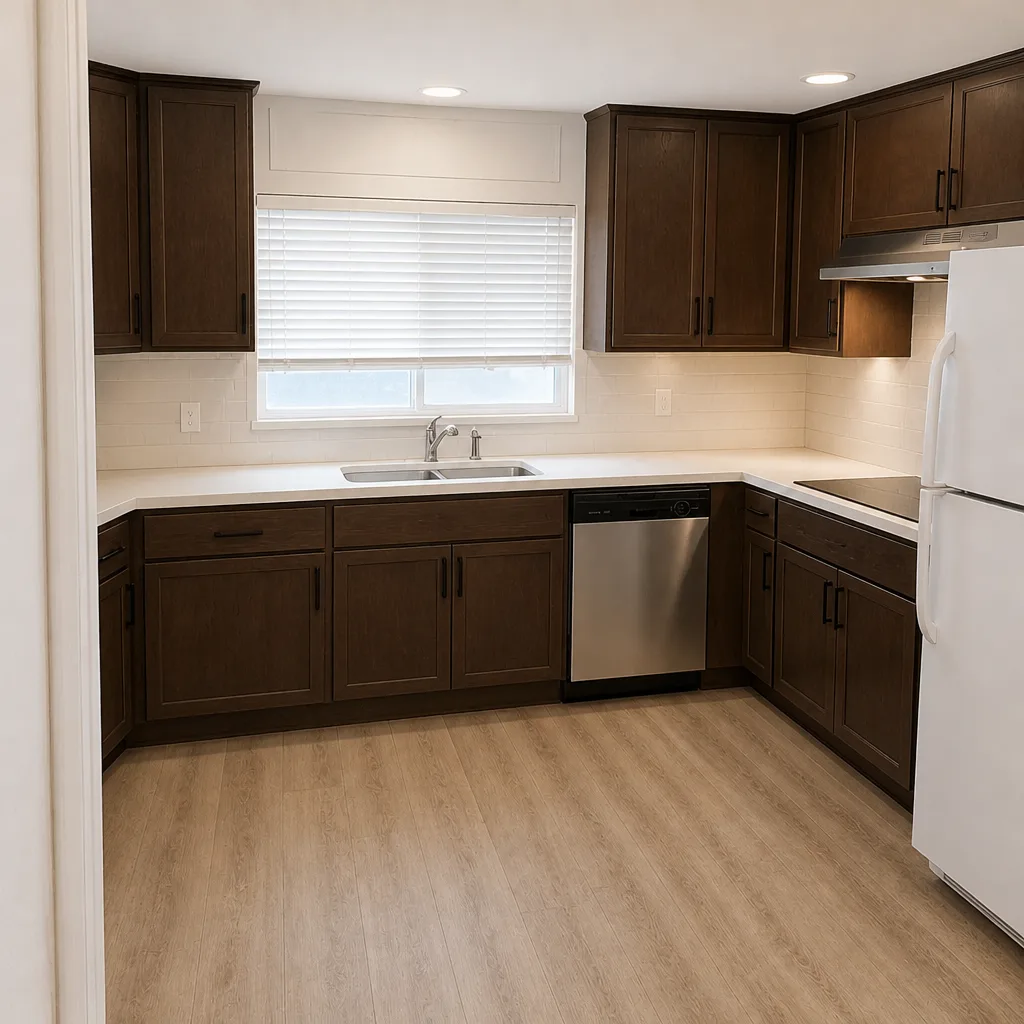 After
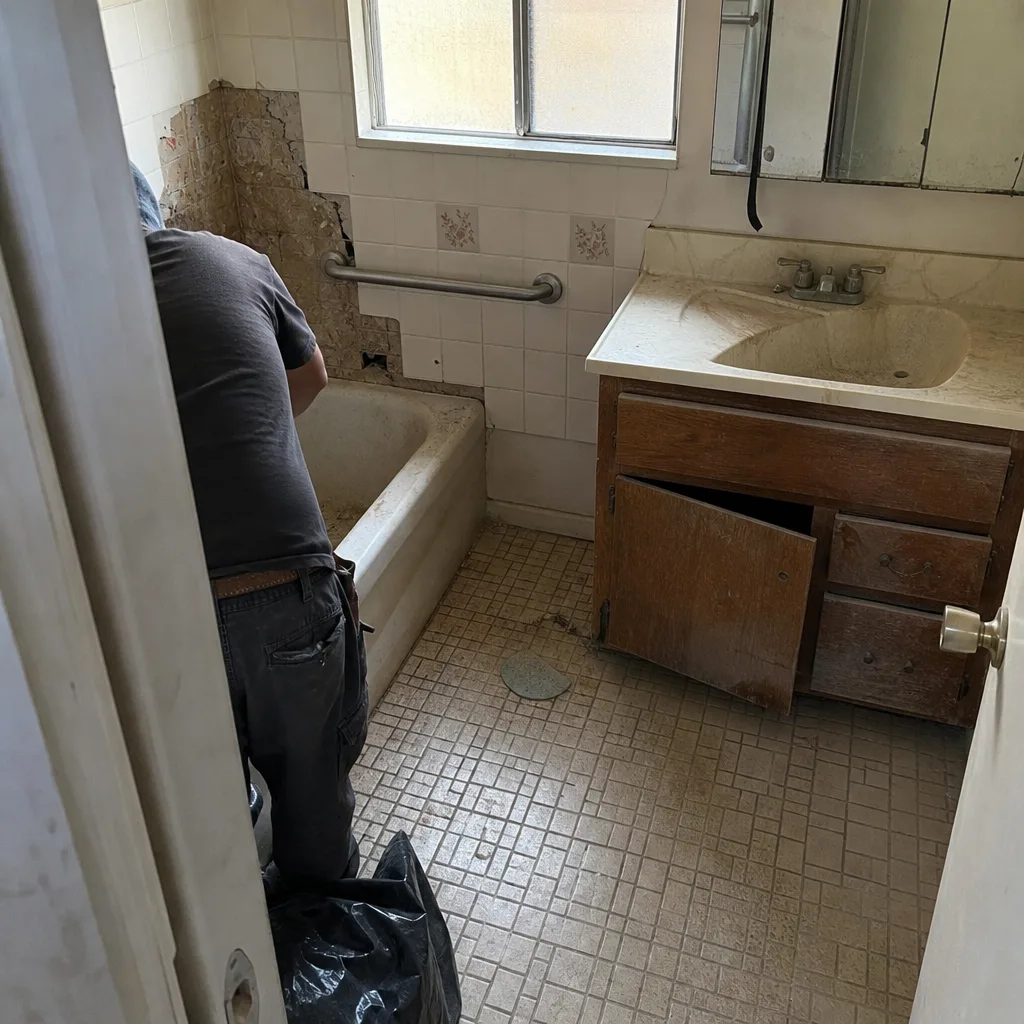 Before
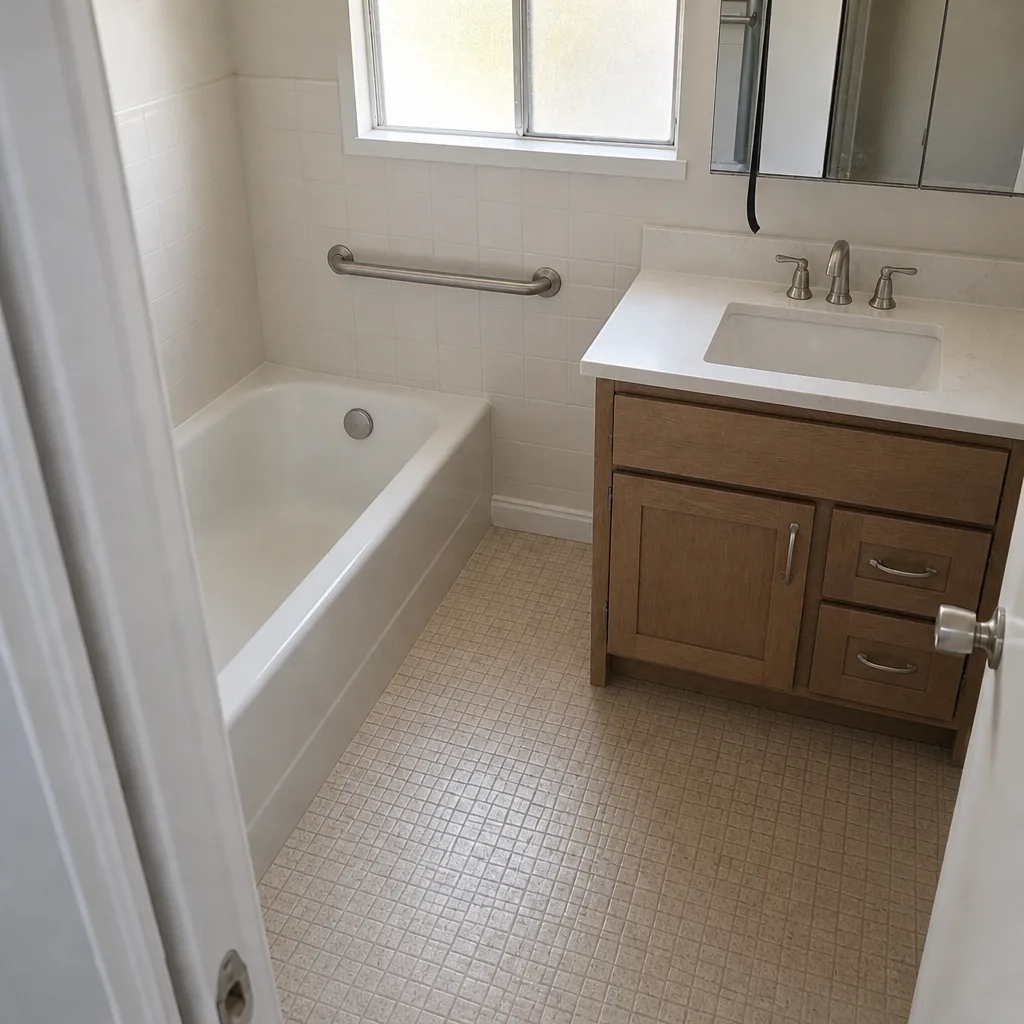 After
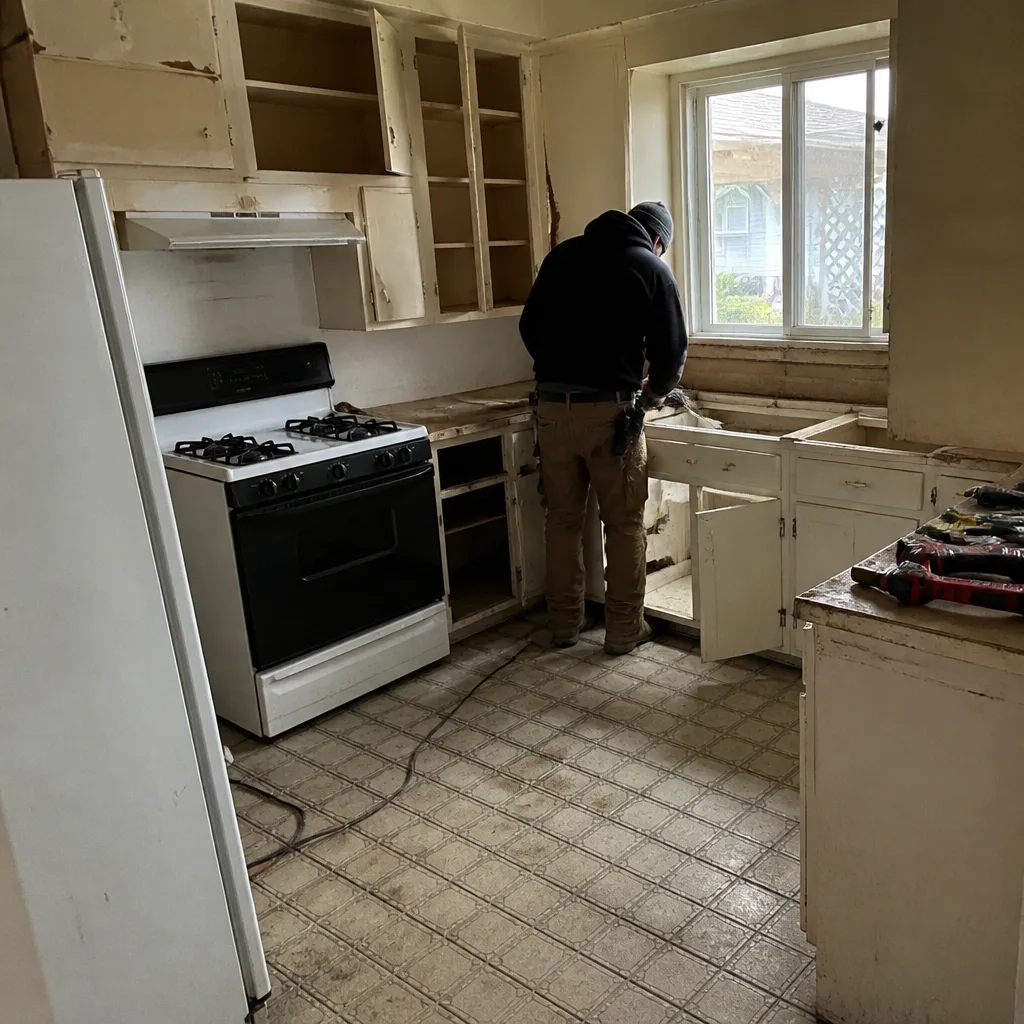 Before
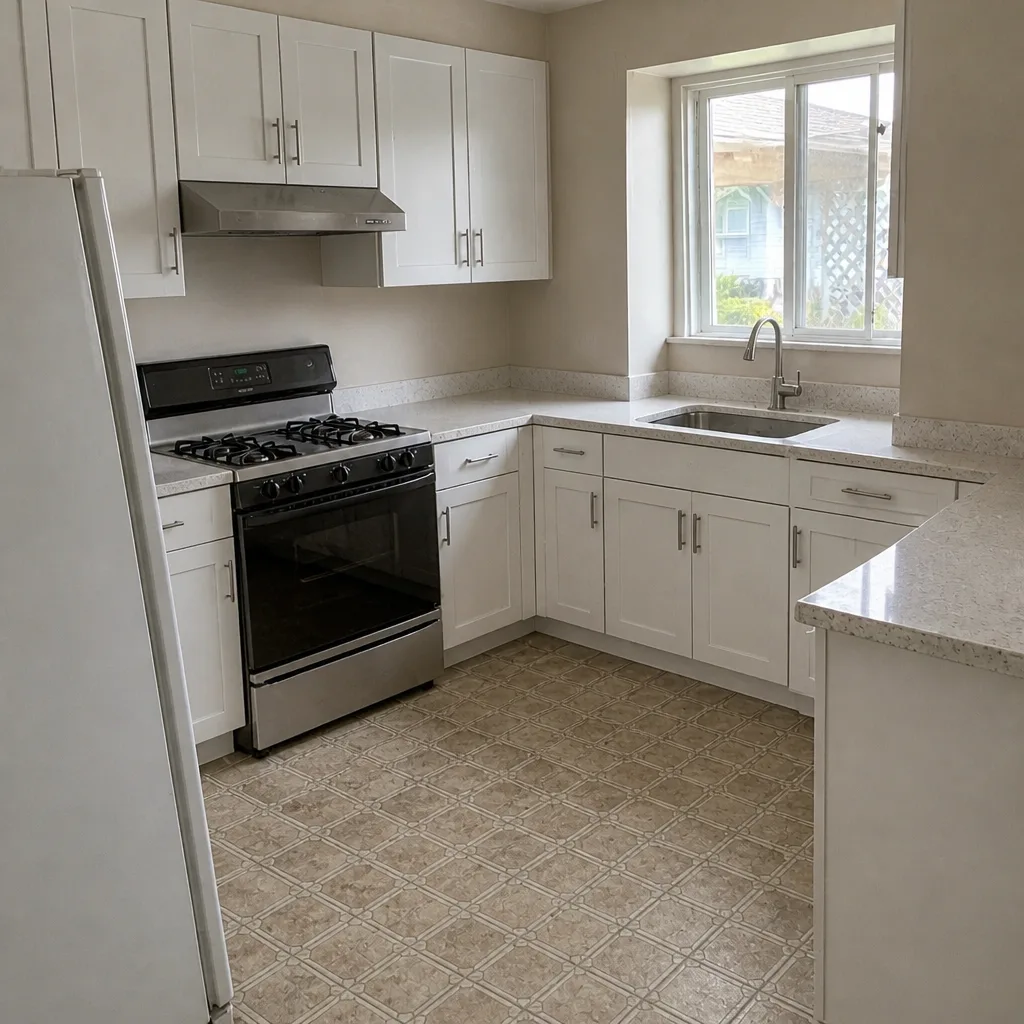 After
When to Call a Professional
Call a professional the moment an emergency crosses into licensed territory: any water you can’t stop with the main shutoff, any electrical smell or repeat tripping, any suspected asbestos or lead, any structural question, and any permit notice on your door. Those five situations are never homeowner repairs, and the cost of waiting is always higher than the cost of a call. For planning and for the remodel itself – the preparation that keeps a project from becoming an emergency – that’s where we come in. Roseville Remodeling Pros offers free estimates in Roseville, with written line-item quotes and the same team from demo to final coat. Our technicians have up to 13 years of experience, we work with competing brands so you choose the right fit rather than the only option we carry, and we’re happy to compare Cambria and Silestone with you before a single cabinet comes out. Call (279) 529-0232. We answer 24/7. Fast dispatch from 7am to 7pm, Sunday through Friday.
Frequently Asked Questions

Shut off the main water supply immediately, then switch off the breaker for any circuit near the water. Move valuables clear, start extracting standing water, and photograph everything before it dries. Then call your contractor and, if the water spread beyond a small area, a restoration company. Call (279) 529-0232 for help understanding your next steps – estimates are free.
Often only partially. Standard policies are written for an occupied home and may limit coverage during construction, especially if the house is unoccupied. Ask your insurer directly whether an active renovation limits coverage and get the answer in writing before work starts. A quick call now prevents a denied claim later.
A stop-work order is an official notice from the City of Roseville’s building department that work must halt until a code or permit issue is corrected. Halt all work at once, read the notice for the specific violation, and call the building department the same day to understand the path forward. Responding quickly turns it into a short delay instead of a violation.
You don’t until it’s tested. Homes built before 1980 commonly contain asbestos in floor tile, mastic, joint compound, and pipe wrap. Have suspect materials inspected by a licensed asbestos professional before demo touches them. If you discover suspect material mid-project, stop work in that area and keep the household out of the room.
You can stop, secure, and document: shut off water and power, tarp and board openings, and photograph everything with a written log. You should not perform the repairs, handle suspected asbestos, or touch electrical or structural work. Those cross into licensed scope and can void insurance protection or permit standing. Call (279) 529-0232 for guidance – estimates are free.
Water intrusion, asbestos discovery in older housing stock, electrical capacity failures, structural surprises behind walls, and permit stop-work orders cover almost all of them. Roseville’s mild-winter climate and its mix of older neighborhoods shift the risk toward water and electrical issues rather than freeze damage. Planning for these five before demo covers the realistic scenarios. Call (279) 529-0232 to talk through your project – estimates are free.
The Bottom Line
Construction emergencies in Roseville homes are predictable, which means they’re plannable. Water intrusion, asbestos discovery, electrical capacity failure, structural surprises, and stop-work orders account for nearly every mid-remodel crisis, and each has a first-24-hour response you can learn in an afternoon. Build the documentation file before demo, close your insurance gaps with a single call, verify the contractor’s insurance and the permit, and write the emergency protocol into your contract. When something happens, stop, secure, and document – then call the licensed professional. That sequence, rehearsed in advance, is the difference between a setback and a disaster. For the remodel itself and the preparation that prevents emergencies, Roseville Remodeling Pros is here to help.
Ready to plan a project that won’t become an emergency? We handle home remodeling, kitchen remodeling, and bathroom remodeling with one team from demo to final coat, backed by working relationships with 50+ nationally recognized material brands. Our technicians have up to 13 years of experience, we install Schluter systems for the waterproofing details most installers skip, and we’ll compare KraftMaid and Wellborn cabinetry, Cambria, Silestone, and Caesarstone, and Kohler, Moen, Grohe, Toto, Delta, and American Standard fixtures so you choose the right fit. If your project touches outdoor hardscape and you’re weighing pavers, we’re glad to talk through Unilock and Techo-Bloc and let you decide. Call (279) 529-0232 for a free estimate. We answer 24/7. Fast dispatch from 7am to 7pm, Sunday through Friday.
Written by the team at Roseville Remodeling Pros.